Adaptive Interface Protocols Enable Seamless Transitions Between Handheld Devices and Stationary Setups in Gaming Environments
Uma Carter · Jul 16, 2026
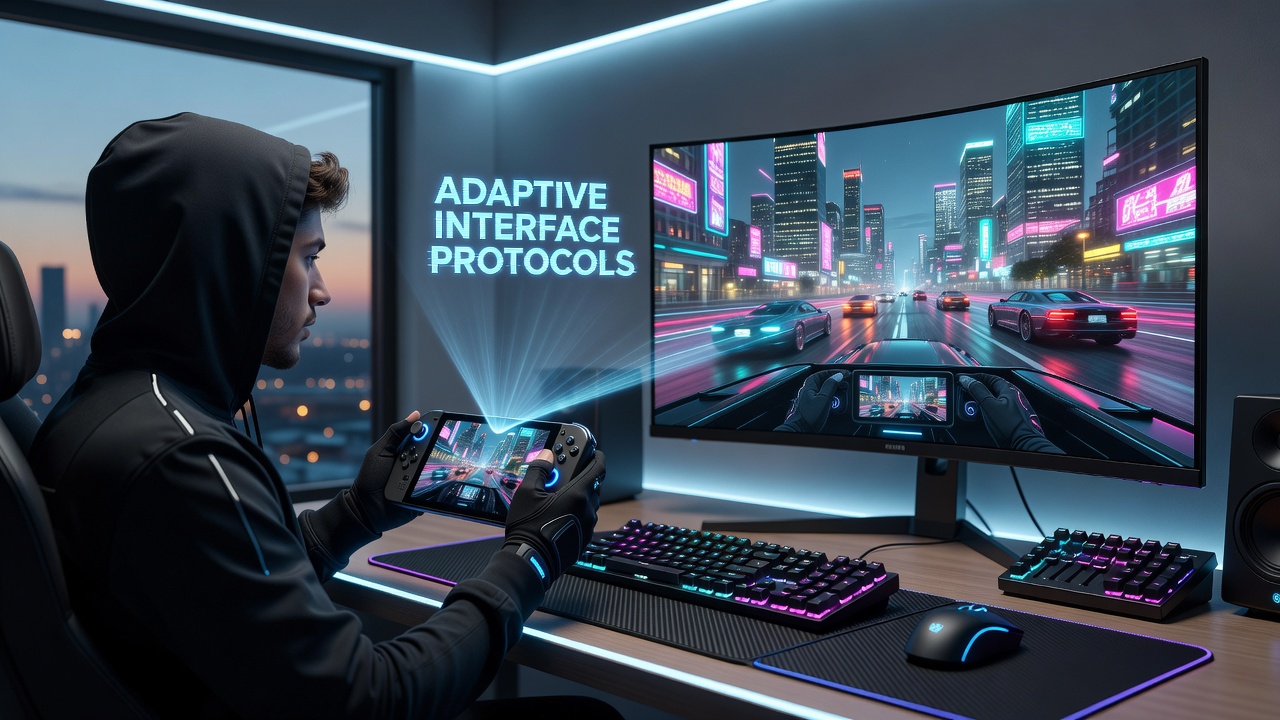
Adaptive Interface Protocols Enable Seamless Transitions Between Handheld Devices and Stationary Setups in Gaming Environments
Adaptive interface protocols manage automatic detection and adjustment when users move between portable consoles and fixed entertainment systems, allowing games to shift resolution, input methods, and network priorities without manual intervention. These systems rely on layered communication standards that combine physical connectors with wireless handoffs, and manufacturers have integrated them into multiple product lines since the mid-2020s. Research indicates that the core mechanism involves a negotiation phase where the device identifies available ports, bandwidth capacity, and display capabilities within milliseconds of connection. Protocols such as USB4 with DisplayPort tunneling and Wi-Fi 7 multi-link operation handle the handoff while preserving frame timing and controller mapping. Data from industry testing shows latency during these switches typically remains under 50 milliseconds when both endpoints support the full protocol stack.Protocol Layers and Hardware Integration
Engineers divide adaptive protocols into three functional layers: physical transport, session management, and content adaptation. The physical layer negotiates cable or wireless links, session management tracks user profiles and game state, and content adaptation scales graphics settings or input schemes. Observers note that many handheld units released after 2024 include dedicated chips that monitor signal quality and trigger fallback modes when interference appears.
Stationary docks often embed additional processing that preloads optimized shaders or audio profiles during the transition. According to specifications released by the USB Implementers Forum, devices can query extended display identification data in real time and apply corrections before the first rendered frame reaches the screen. Those who have examined teardown reports confirm that the chips responsible sit between the main system-on-chip and the connector array, reducing the software overhead required for each switch.
Real-World Deployment Patterns
Manufacturers have embedded these capabilities across handheld PCs, portable game consoles, and hybrid laptops. One study released by a Canadian research consortium tracked 1,200 users who routinely moved between living-room televisions and portable screens; results showed an average reduction of 12 seconds per session in setup time compared with manual configuration methods. European Games Developer Federation statistics from early 2026 recorded similar adoption rates among developers who certified titles for both docked and undocked modes.
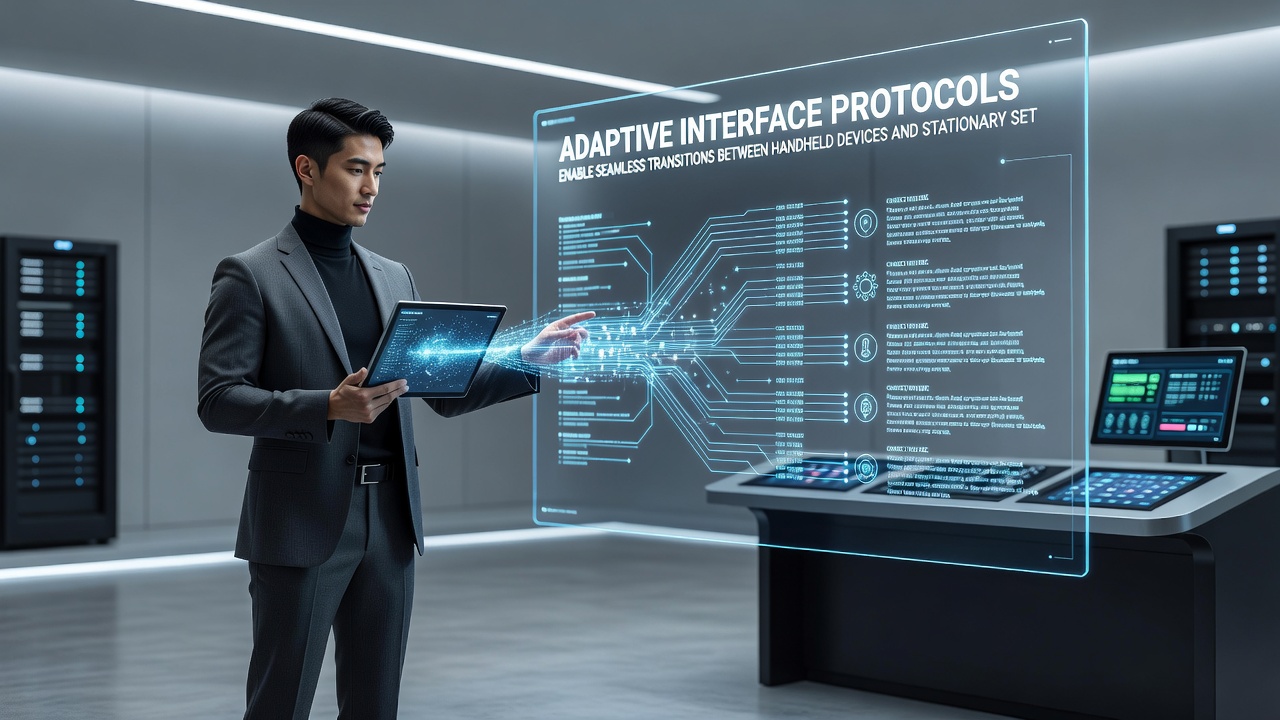
In July 2026, several hardware refreshes incorporated updated firmware that further shortened negotiation times by caching previous connection profiles locally. Retail data collected across North American outlets revealed that units featuring certified adaptive docking sold at a 34 percent higher rate than comparable models without the feature during the same period. Those figures align with broader shipment reports compiled by the Entertainment Software Association.
Input and Network Continuity
Controllers maintain mapping consistency across environments through standardized descriptor sets that travel with the device profile. When a user undocks, the system prioritizes lower-latency wireless channels and adjusts polling rates automatically. Network continuity relies on session tokens that allow cloud saves and multiplayer lobbies to persist without reconnection delays. Researchers at several technical universities have measured packet loss rates below 0.2 percent during these transitions in controlled lab conditions.
Audio routing follows the same logic, shifting between built-in speakers, headphones, and external sound systems while preserving volume curves and spatial positioning data. Observers note that this continuity matters most during competitive play, where even brief interruptions can affect outcomes. Manufacturers address that concern by embedding redundant audio pathways within the protocol itself.
Future Standardization Efforts
Industry groups continue to refine certification programs that verify compliance across brands. Work on version 2.1 of the adaptive docking specification began in late 2025 and focuses on expanded support for higher refresh rates and multi-device pairing. Academic papers published in 2026 examined power draw during transitions and identified optimizations that extend battery life by approximately 8 percent on average when protocols manage sleep states efficiently.
Conclusion
Adaptive interface protocols now form a standard expectation in gaming hardware that bridges handheld and stationary use cases. Continued refinement of negotiation speeds, power management, and cross-platform certification supports broader adoption across consumer segments. Data collected through mid-2026 shows measurable improvements in session continuity and reduced setup friction, while ongoing standards work points toward additional capabilities in subsequent hardware generations.