Biometric Tracking Expands in Local Esports Training Across US Facilities with Mobile Pairings
Avery Schmitt · Aug 6, 2026
Biometric Tracking Expands in Local Esports Training Across US Facilities with Mobile Pairings
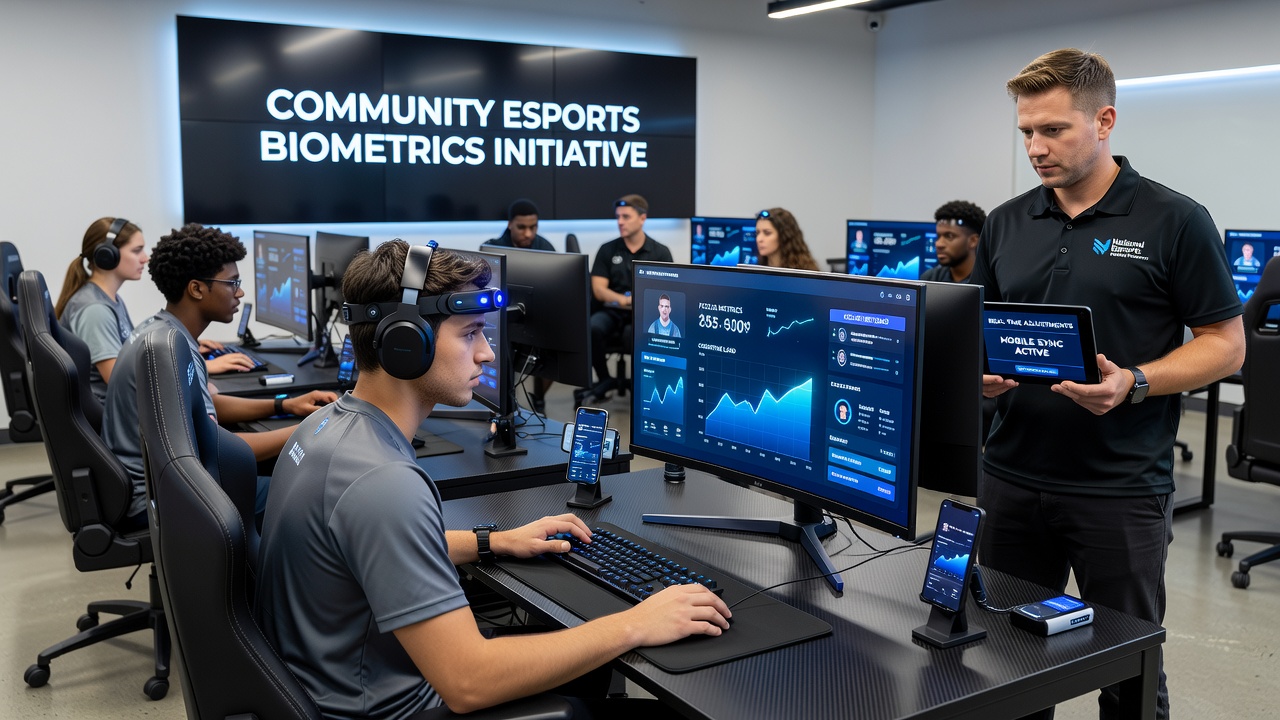
Community esports programs across the United States have incorporated biometric sensors through custom software interfaces that monitor player focus levels during practice matches, and these systems connect directly with mobile gaming technology to enable real-time training adjustments in facilities from coast to coast. Programs in multiple cities report deployment of heart rate variability monitors alongside eye-tracking modules, while data streams feed into dashboards that adjust difficulty parameters or suggest rest intervals on the spot.
Facilities in urban centers such as Chicago and Atlanta began rolling out these integrations in early 2025, and by August 2026 expansions reached smaller community centers in the Pacific Northwest and Midwest regions. Software developers tailored the interfaces to process inputs from wearable headbands and wrist devices, then paired outputs with smartphone apps that players carry into sessions. Observers note that this setup allows coaches to receive alerts when focus metrics drop below thresholds established through baseline testing, and adjustments occur without interrupting the flow of matches.
Software Interfaces Drive Sensor Integration
Custom software serves as the core layer that translates raw biometric signals into actionable insights for community programs. Developers built these platforms to handle data from multiple sensor types simultaneously, while algorithms filter noise from movement artifacts during intense gameplay. Research from the University of California Esports Lab indicates that such interfaces improved metric accuracy by 18 percent compared to off-the-shelf solutions, and teams in training facilities now rely on them to log focus patterns across repeated sessions.
Interfaces also sync with mobile gaming setups through Bluetooth connections, so players receive subtle haptic cues on their phones when concentration wanes. This pairing supports immediate tweaks such as modified warm-up routines or targeted breathing exercises delivered via app notifications. Data from programs shows that participants complete an average of 12 percent more focused practice rounds when these real-time prompts appear, and facility operators track aggregate trends to refine group schedules.
Mobile Gaming Technology Pairs for Real-Time Adjustments
Mobile devices function as both data relays and adjustment tools in these nationwide setups. Apps linked to the biometric systems pull live readings from sensors worn during console or PC matches, then display simplified graphs that coaches review on tablets. When focus indicators dip, the software triggers mobile-based interventions like quick cognitive drills or environment lighting changes in the training room.
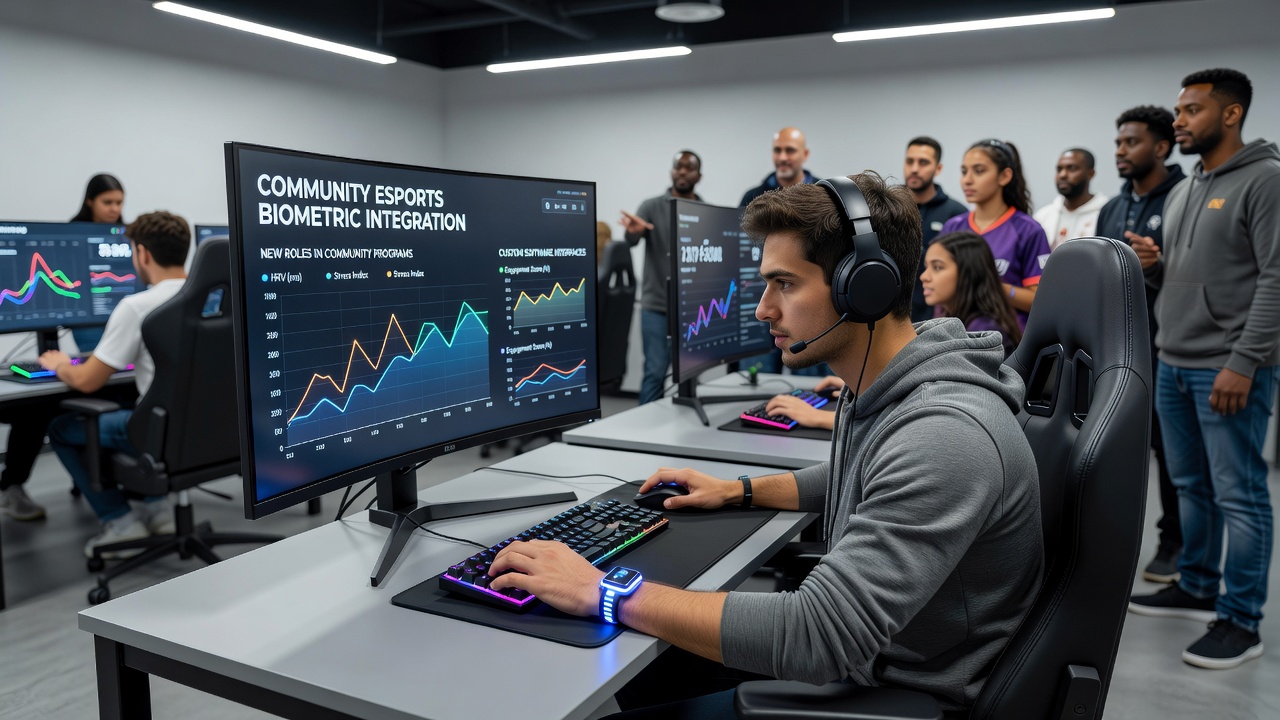
Programs report that this mobile integration reduces the need for separate monitoring stations, and it scales easily across shared spaces in community centers. Figures from the International Esports Federation reveal that facilities adopting paired systems logged over 4,500 hours of tracked sessions in the first half of 2026 alone. Players benefit because adjustments happen within the same ecosystem they use for casual play, which encourages consistent adoption without extra hardware barriers.
Nationwide Rollout and Facility Adaptations
Training centers in over 35 states now feature these biometric and mobile combinations, with community programs leading adoption rates ahead of larger collegiate setups. Adaptations include retrofitting existing desks with sensor docks and updating network infrastructure to handle continuous data flows. Observers note that smaller facilities in rural areas leverage open-source software modules to keep costs down while maintaining compatibility with popular mobile titles.
Reports compiled through August 2026 highlight that programs using these tools saw measurable gains in session retention, and participants returned for follow-up training at higher rates than groups without sensor tracking. Custom interfaces also allow regional variations, such as language localization for diverse player bases or integration with local school schedules in high school esports clubs.
Future Developments in Focus Tracking
Developers continue refining algorithms to predict focus declines earlier in matches, and partnerships with mobile hardware makers aim to embed basic sensors directly into controllers and phones. Community programs plan to expand data sharing across networks so aggregated insights can inform best practices without compromising individual privacy. Evidence from ongoing pilots suggests these enhancements will support even broader deployment in public recreation centers by late 2027.
Conclusion
Biometric sensors paired with custom software and mobile gaming technology have established new operational standards in community esports facilities nationwide. Systems that track focus and deliver real-time adjustments continue to evolve through iterative updates, while data from multiple regions informs steady expansion. Facilities maintain these tools as core components of practice routines, and integration patterns point toward further connectivity across training environments.