Community Libraries in Rural America Launch VR Headset Borrowing for Group Gaming Sessions
Sage Schulz · Jul 30, 2026
Community Libraries in Rural America Launch VR Headset Borrowing for Group Gaming Sessions
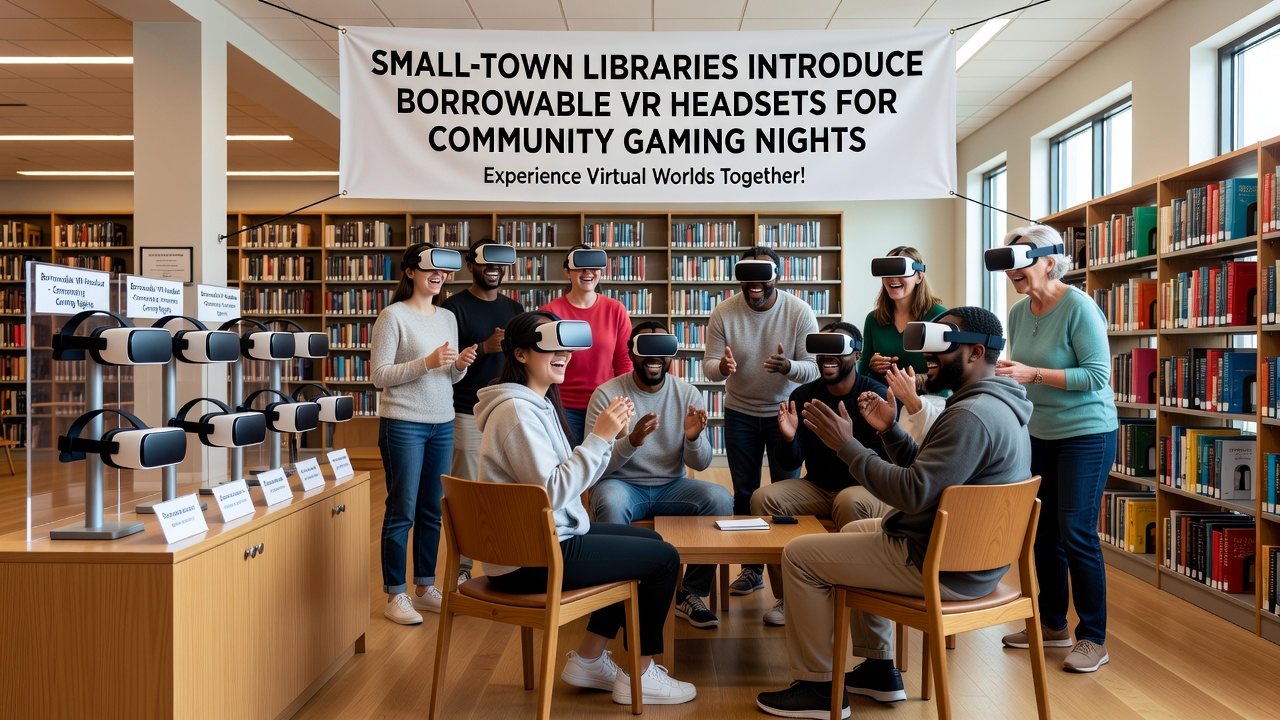
Public libraries in smaller US towns have begun offering borrowable VR headsets as part of regular community gaming nights, and this shift has gained momentum through mid-2026. Towns with populations under 50,000 have integrated these devices into existing programming that previously relied on board games and basic consoles, which allows residents to experience virtual environments without personal equipment purchases.
Program Rollouts Across Multiple States
By July 2026 several library systems in the Midwest and Mountain West reported active lending programs where patrons check out VR headsets for use during supervised evening sessions. Libraries coordinate with local volunteers who manage headset sanitization, software updates, and multiplayer game selection while participants gather in community rooms equipped with open floor space. Data from the Institute of Museum and Library Services shows that over 120 rural library branches added VR lending options between 2024 and 2026, with many focusing on titles that support cooperative play rather than competitive matches.
One library in western Kansas started its program after receiving a state technology grant that covered ten headset units and accompanying controllers. Staff members noted that sessions now draw consistent attendance from teenagers and adults who alternate between virtual exploration games and collaborative puzzle titles, and circulation records indicate each headset averages six checkouts per month outside of group events.
Equipment Management and Safety Protocols
Libraries handling VR hardware follow strict cleaning schedules that involve alcohol wipes on facial interfaces plus UV sanitizers between uses. Technicians update firmware monthly to maintain compatibility with new game releases, and they store headsets in locked cabinets when not in use. Training sessions for volunteers cover basic troubleshooting such as controller pairing and guardian boundary setup so that technical issues do not interrupt scheduled gaming nights.
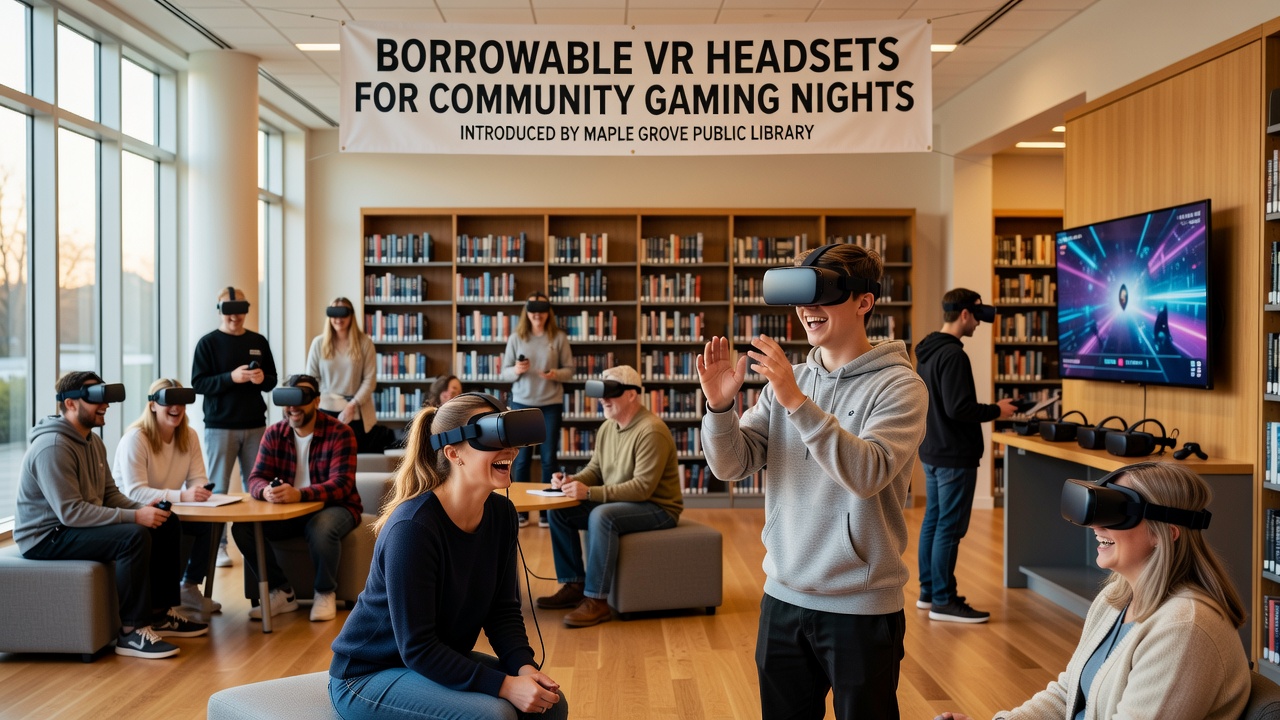
Patrons must sign liability waivers and receive brief orientation on motion sickness prevention before participating, and libraries maintain logs that track usage hours to schedule maintenance. These procedures mirror those already established for other circulating technology such as laptops and tablets, which reduces the need for entirely new administrative systems.
Community Participation Patterns
Attendance records reveal that gaming nights in these smaller libraries often attract 20 to 40 participants per session, with families forming the largest demographic group. Some locations rotate game selections monthly based on patron suggestions collected through simple paper forms, and libraries in neighboring towns have begun sharing digital licenses to expand available titles without duplicating costs. Researchers at the University of Illinois documented similar patterns in a 2025 study of rural library technology adoption, noting that VR access correlated with increased repeat visits among residents aged 13 to 35.
Local businesses sometimes contribute snacks or raffle prizes for these events, which strengthens connections between the library and the surrounding economy. In one Colorado town the chamber of commerce partnered with the library to promote gaming nights as part of a broader tourism initiative that highlights community amenities for visitors.
Funding Sources and Sustainability
Many programs rely on a combination of federal library grants, private donations, and occasional crowdfunding campaigns run through library foundations. The American Library Association has published guidelines that help smaller institutions apply for technology-focused awards, and several branches have used these resources to cover annual software subscriptions. Libraries that track program expenses report that ongoing costs remain manageable when headsets receive regular use rather than sitting idle in storage.
Observers note that towns with existing makerspace programs adapt more quickly because staff already possess basic technical skills needed for VR support. These communities often expand their offerings to include educational workshops on 3D modeling or virtual world building once the gaming nights establish consistent attendance.
Conclusion
Smaller US town libraries continue to expand VR headset lending programs tied to community gaming nights as of July 2026, and participation data suggests sustained interest among local residents. The combination of grant funding, volunteer coordination, and shared equipment resources enables these institutions to provide access that would otherwise require individual purchases. Continued monitoring by library networks will determine how these initiatives evolve alongside hardware improvements and changing community needs.