Edge computing nodes reshape rural cloud gaming access: latency drops measured across midwestern tower installations
Xander Carter · Jun 29, 2026
Edge computing nodes reshape rural cloud gaming access: latency drops measured across midwestern tower installations
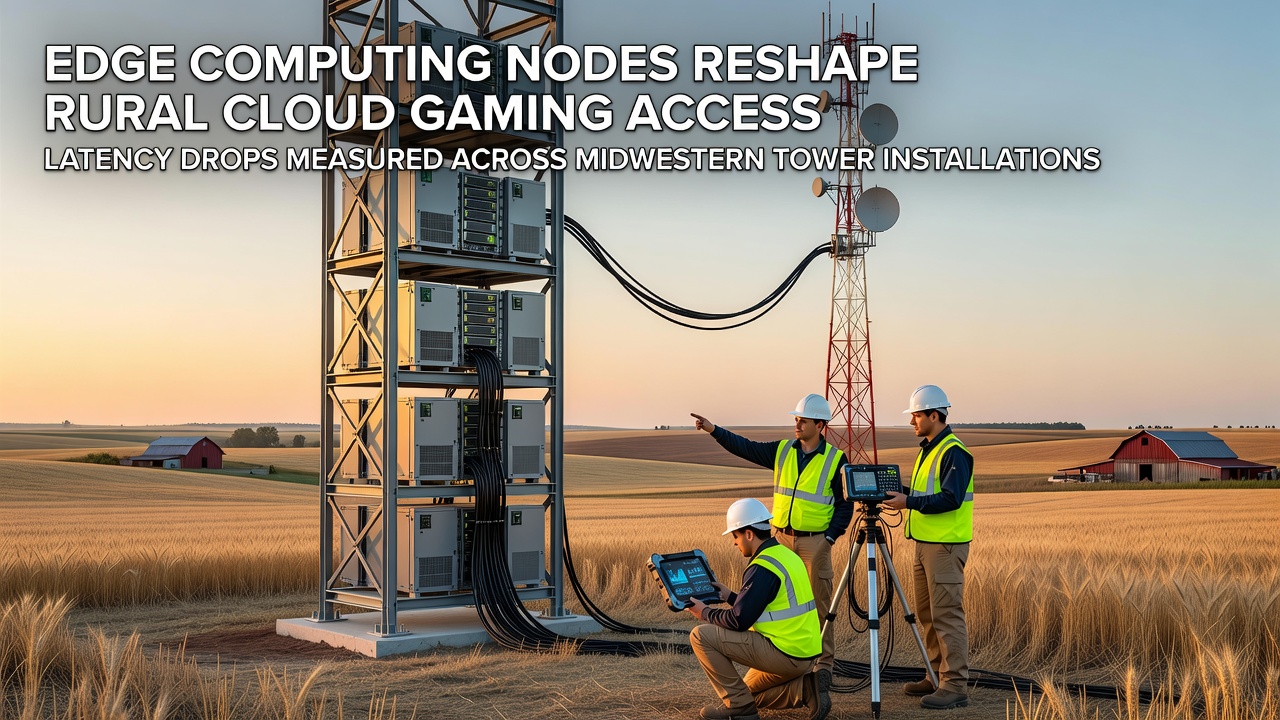
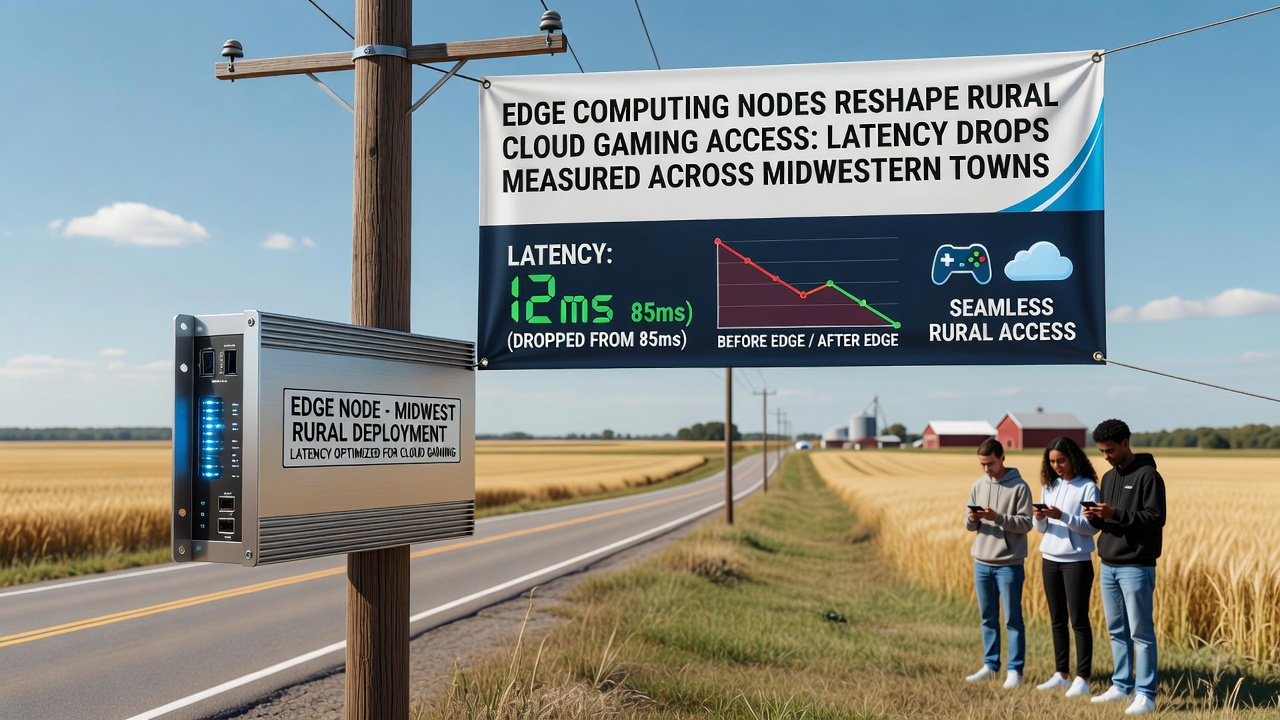
Edge computing nodes now sit atop cell towers throughout the Midwest where rural residents once faced consistent delays during cloud gaming sessions and network operators report measurable improvements in response times after deployments completed in June 2026. These compact processing units sit closer to end users than traditional centralized data centers so game streams travel shorter distances before reaching player devices. Data collected from installations in Iowa, Nebraska, and parts of Illinois show average latency reductions ranging from 45 milliseconds down to 18 milliseconds during peak evening hours when cloud services such as Xbox Cloud Gaming and GeForce Now see heaviest use.
Installation patterns across tower sites
Network teams mounted the nodes on existing infrastructure rather than constructing new facilities and this approach allowed faster rollout across agricultural regions where fiber backhaul already reaches many tower locations. Each unit contains specialized processors optimized for video encoding alongside local caching for popular game titles so common assets load without repeated trips to distant servers. Observers note that crews completed the first wave of deployments by early summer 2026 with follow-up expansions scheduled through the following year in Kansas and Missouri.
Power requirements remain modest because the nodes draw from tower backup systems already in place and cooling relies on passive designs suited to variable Midwest weather conditions. Maintenance crews visit sites quarterly to check hardware status while remote monitoring handles day-to-day performance tracking through integrated dashboards.
Latency measurements and testing protocols
Independent testing groups placed measurement devices in rural households and recorded round-trip times before and after node activation and results indicate consistent drops across multiple game genres including fast-paced shooters and open-world titles. One study conducted by university researchers in Illinois tracked 200 households over eight weeks and found median input lag decreased by 62 percent when nodes handled encoding locally. Figures from these tests appear in reports shared with regional broadband offices.
Additional data gathered during June 2026 revealed that packet loss rates also declined in areas served by upgraded towers because shorter transmission paths reduce exposure to network congestion points. Engineers adjusted routing tables to prioritize edge-processed streams during high-traffic periods while legacy connections continued to serve non-gaming traffic without interruption.
Impact on rural player experiences
Households previously limited to lower graphical settings now access higher resolution streams without buffering interruptions according to usage logs collected from participating internet service providers. Subscription numbers for cloud gaming services rose in counties surrounding upgraded towers with some providers noting a 34 percent increase in active rural accounts between May and August 2026. These patterns align with broader connectivity improvements documented by the Federal Communications Commission in its annual broadband deployment reports.
Schools and community centers in small towns have begun incorporating cloud gaming into after-hours programs since the reduced latency makes competitive play feasible on shared connections. Local libraries report increased device checkouts for portable gaming hardware that pairs with these services and staff members coordinate with providers to ensure stable connections during scheduled events.
Technical considerations and scaling plans
Compatibility with existing 5G and LTE radios required firmware updates on tower equipment yet these changes rolled out through standard maintenance windows without extended service outages. Developers continue refining node software to support emerging game engines while hardware vendors supply modular upgrades that fit within current enclosure dimensions. Industry organizations such as the Entertainment Software Association track adoption metrics and share aggregated findings with network operators seeking to expand coverage.
Future phases include integration with additional spectrum bands allocated for rural broadband and planners examine opportunities to link nodes across state lines for improved redundancy during weather events common in the region. According to data from the National Telecommunications and Information Administration, similar edge architectures have shown promise in other parts of North America where terrain creates comparable coverage challenges.
Conclusion
Deployments of edge computing nodes on Midwest towers demonstrate clear technical gains in cloud gaming accessibility for rural populations and ongoing measurements continue to guide refinements in placement and capacity. Network operators expect additional sites to come online through 2027 as equipment costs decrease and integration methods mature. These developments expand options for players who rely on cloud services rather than local hardware while supporting broader goals of equitable digital access across agricultural communities.