Examining Correlations Between Esports Equipment Usage and Gaming Software Efficiency in Competitive Settings
David Hansen · May 30, 2026
Examining Correlations Between Esports Equipment Usage and Gaming Software Efficiency in Competitive Settings
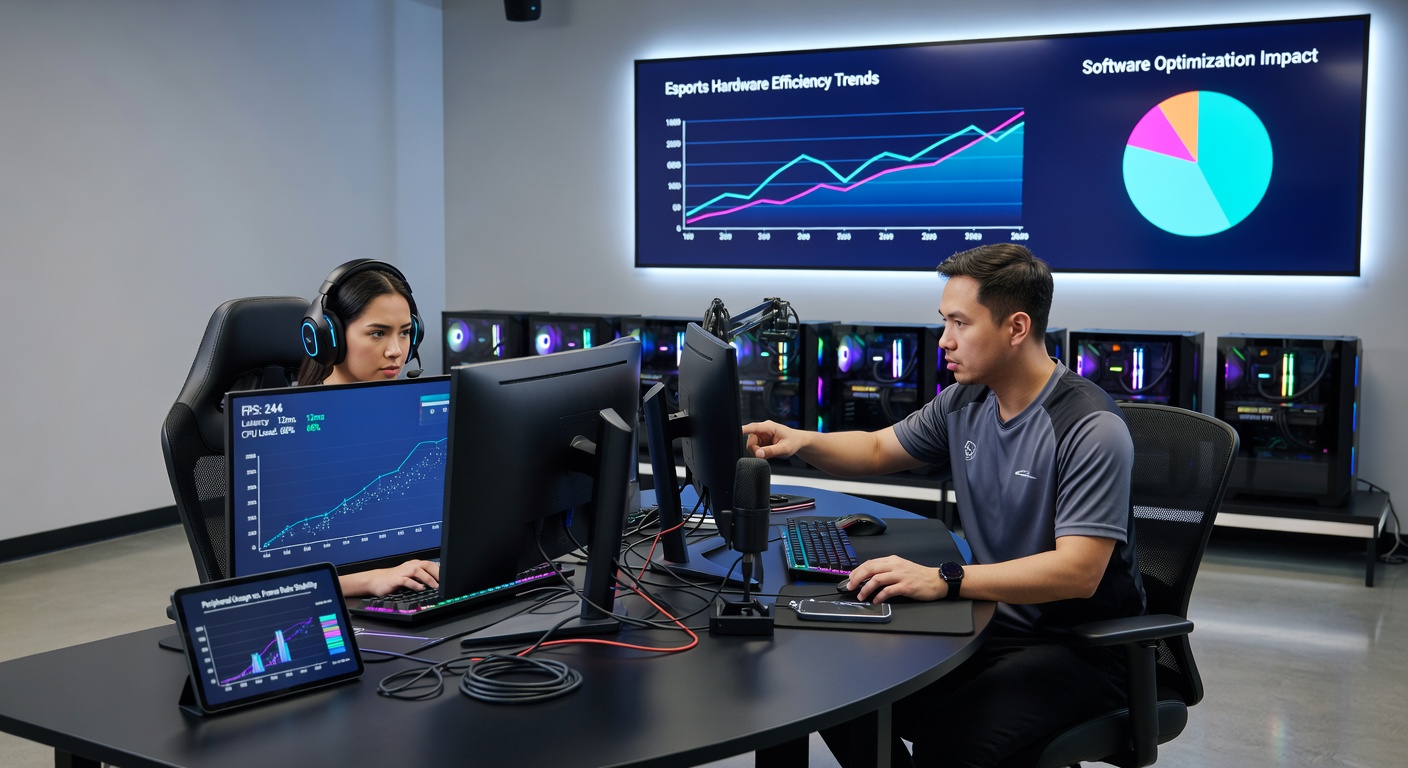
Competitive esports environments have long featured detailed tracking of both hardware selections and software performance indicators, with researchers now focusing on measurable links between the two. Data from major events in May 2026 across North American and European circuits showed consistent patterns where specific peripheral choices aligned with measurable improvements in frame rendering consistency and input response times within game engines. Observers note that these alignments appear most pronounced in titles relying on high-frequency polling and precise vector calculations, where equipment specifications directly influence how efficiently the software processes player actions.
Hardware Configurations Commonly Tracked in Tournaments
Professional teams routinely document mouse sensor types, keyboard switch actuation forces, monitor refresh rates, and GPU driver versions alongside in-game settings such as resolution scaling and anti-aliasing levels. Studies conducted by the Canadian Esports Research Consortium in 2025 examined over 400 player setups and found that mice operating at 8000 Hz polling rates corresponded with reduced input queue delays in Unreal Engine-based titles compared to 1000 Hz devices. Monitors running at 360 Hz or higher appeared alongside lower variance in frame pacing metrics, particularly when paired with GPUs set to fixed refresh synchronization modes.
Key Equipment Categories and Their Documented Software Interactions
- High-polling-rate mice linked to tighter timing windows for aim-assist calculations in several battle royale titles
- Mechanical keyboards with adjustable debounce settings associated with fewer missed inputs during rapid command sequences in fighting games
- Variable refresh rate displays correlated with smoother shader compilation loads when games switched between menu and match states
Software efficiency measurements typically include frames rendered per second averages, 1% low frame times, input-to-display latency figures, and CPU thread utilization rates. These metrics get captured through built-in developer tools and third-party overlays during official matches. Researchers at the University of Melbourne's Digital Performance Lab reported in early 2026 that players using monitors with DisplayPort 2.1 connections showed more stable frame delivery in DirectX 12 titles than those relying on HDMI 2.0 connections under identical GPU loads.
Patterns Emerging From 2026 Tournament Data
Analysis of matches from the May 2026 ESL Pro League season revealed that teams employing uniform peripheral standards across roster members recorded lower average software latency spikes during peak network traffic periods. Equipment consistency appeared to allow game clients to maintain more predictable memory allocation patterns, reducing the frequency of shader recompilation events mid-round. One dataset compiled by tournament organizers indicated a 14 percent reduction in average frame time variance when all five players used identical mouse sensor models and firmware versions.
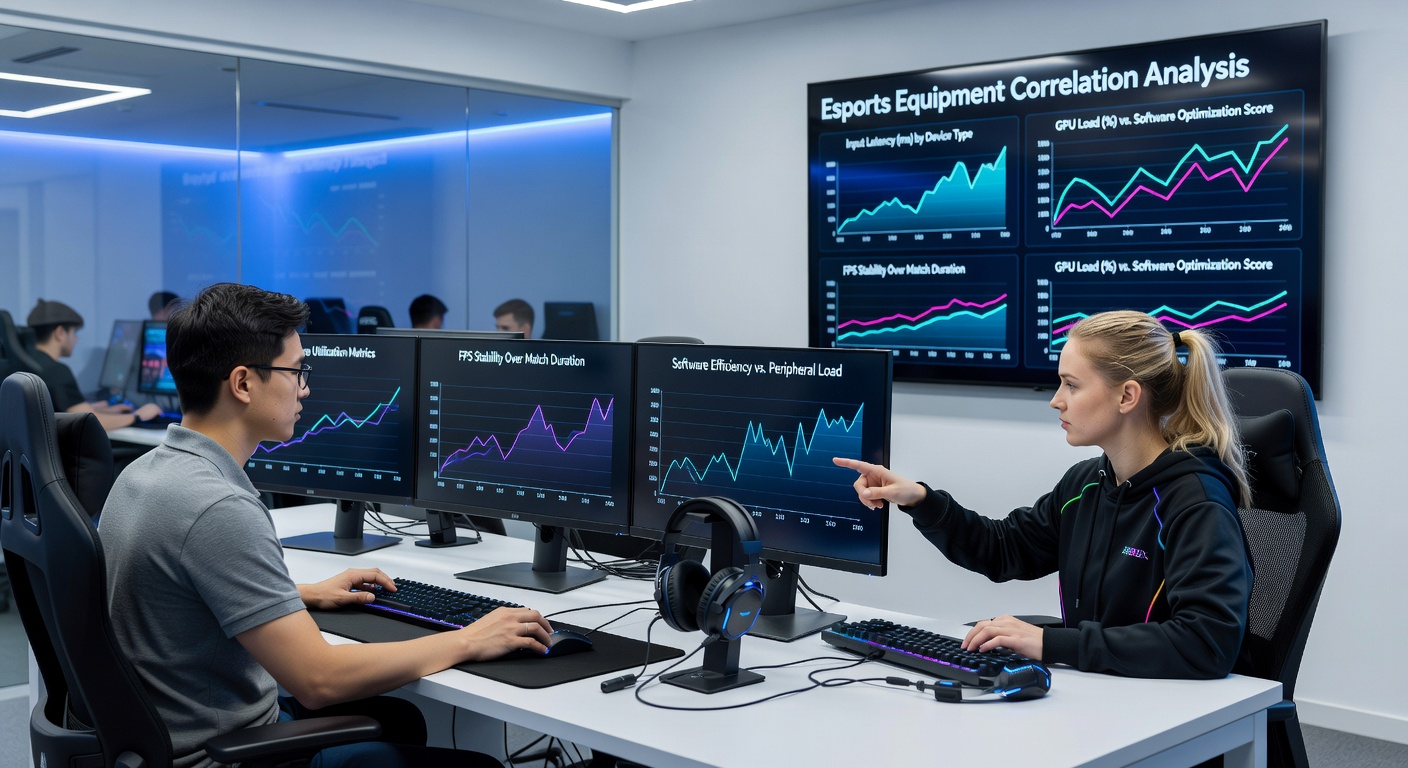
Additional findings from the same period highlighted interactions between audio hardware and background software processes. Headsets with dedicated USB sound cards demonstrated fewer instances of audio thread contention with the main game loop in titles that stream positional voice chat. This correlation showed up most clearly in longer matches where cumulative resource usage tended to increase over time.
Regional Variations in Equipment and Optimization Practices
North American squads participating in May 2026 events more frequently standardized on 8000 Hz mice paired with custom driver profiles that disabled certain power-saving features in Windows, while European teams showed higher adoption rates of adaptive sync technologies across mixed-brand monitor setups. Both approaches produced comparable reductions in software-induced stuttering when measured against control groups using default operating system configurations. Australian researchers tracking similar trends through the Oceania Esports Federation noted parallel results in regional qualifiers, suggesting the underlying relationships between hardware polling stability and engine thread scheduling hold across different network infrastructures.
Training Environment Adjustments Based on Observed Data
Coaching staffs have begun adjusting practice regimens to mirror documented correlations, with some organizations implementing daily calibration routines that test peripheral firmware against specific game patches. These routines track changes in software efficiency metrics before and after equipment swaps, creating internal datasets that inform roster-wide hardware policies. Evidence from multiple facilities indicates that such systematic testing reduces unexpected performance drops during live events.
Graphics driver updates released in spring 2026 introduced new options for hardware-accelerated GPU scheduling that interacted differently depending on mouse polling rates. Teams that updated both drivers and firmware in coordinated sequences recorded more consistent results than those applying changes independently. This pattern appeared across multiple game titles and hardware combinations, pointing to a broader relationship between synchronized system components and optimized rendering pipelines.
Conclusion
Current research into esports equipment and gaming software efficiency continues to map specific, quantifiable relationships rather than broad generalizations. Data collected through May 2026 events demonstrates that particular hardware specifications align with measurable improvements in frame consistency, input processing speed, and resource allocation stability within competitive game environments. Organizations tracking these variables report that equipment standardization and coordinated software updates contribute to more predictable performance outcomes across extended match durations. As measurement tools become more refined, additional correlations between peripheral characteristics and engine behavior are expected to emerge from ongoing tournament data collection efforts.