GPU Thermal Control Approaches in Cloud Gaming Facilities
David Hansen · Aug 3, 2026
GPU Thermal Control Approaches in Cloud Gaming Facilities
Operators of game streaming data centers face substantial thermal challenges from dense clusters of graphics processing units that run continuous high-intensity workloads, and they address these demands through a range of engineered solutions that combine hardware modifications with operational adjustments. Facilities supporting platforms such as GeForce Now and Xbox Cloud Gaming have expanded their infrastructure since early 2025, with new builds incorporating thermal management systems designed specifically for sustained GPU operation at scale.
Direct Liquid Cooling Deployments
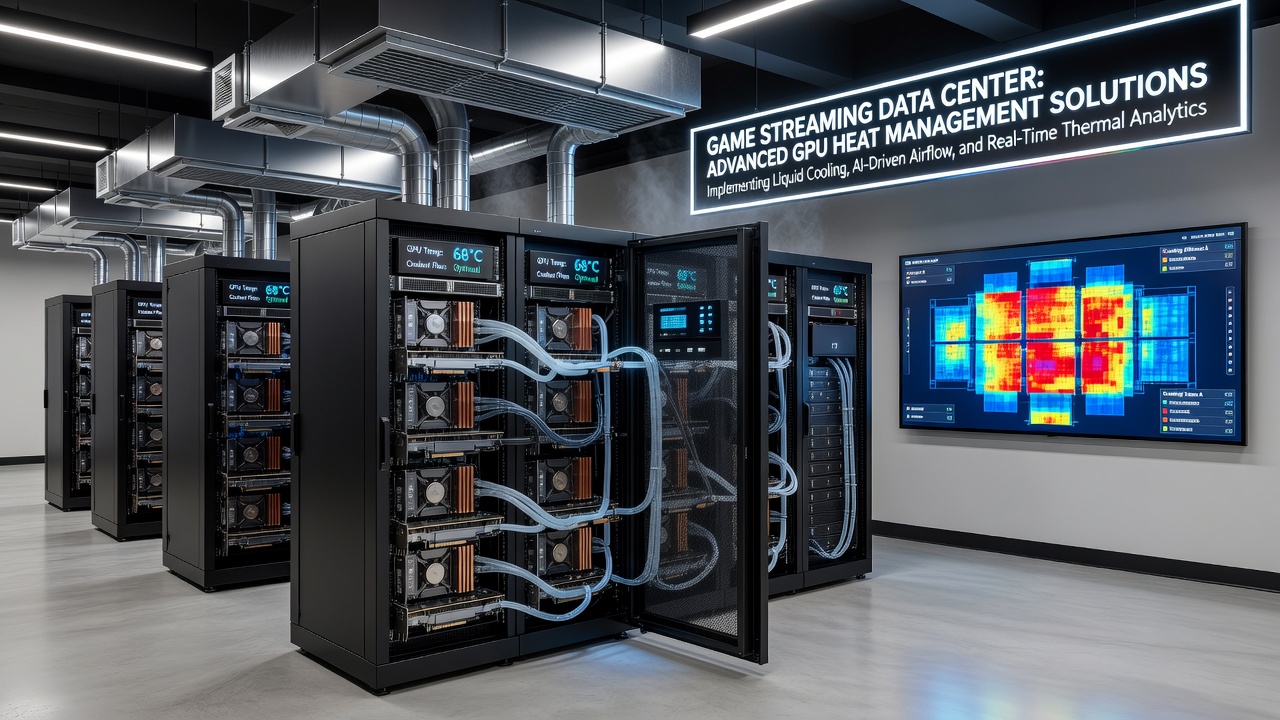
Many operators have shifted toward direct-to-chip liquid cooling loops that circulate coolant through cold plates mounted on GPU dies, and this approach removes heat more efficiently than traditional air systems while allowing higher rack densities. Data from installations completed by mid-2026 show that these loops maintain GPU junction temperatures below 80 degrees Celsius even during peak streaming hours, which reduces throttling events and sustains frame delivery rates for end users. Engineers integrate leak detection sensors and redundant pumps to minimize downtime risks, while facility managers schedule quarterly fluid quality checks that extend equipment lifespan across multi-year contracts.
Immersion Cooling Experiments
Some providers have tested single-phase immersion systems where entire server trays sit in dielectric fluid baths, and results from pilot programs running through August 2026 indicate that heat transfer rates improve by factors of three compared with air cooling alone. These setups eliminate the need for traditional heat sinks and fans within each node, which cuts acoustic noise levels and simplifies rack layouts in large halls. Operators report that fluid reclamation systems recover over 95 percent of the dielectric medium during maintenance cycles, which keeps ongoing costs manageable while meeting environmental reporting requirements from regional regulators.
Workload scheduling software plays an equally important role because it distributes rendering tasks across available GPUs to prevent localized hot spots, and algorithms developed by cloud gaming companies balance session loads in real time based on temperature sensor feeds. When one rack approaches thermal limits, the system migrates active streams to cooler nodes without interrupting player connections, a process that relies on low-latency internal networks and predictive models trained on historical usage patterns.
Airflow Optimization and Monitoring
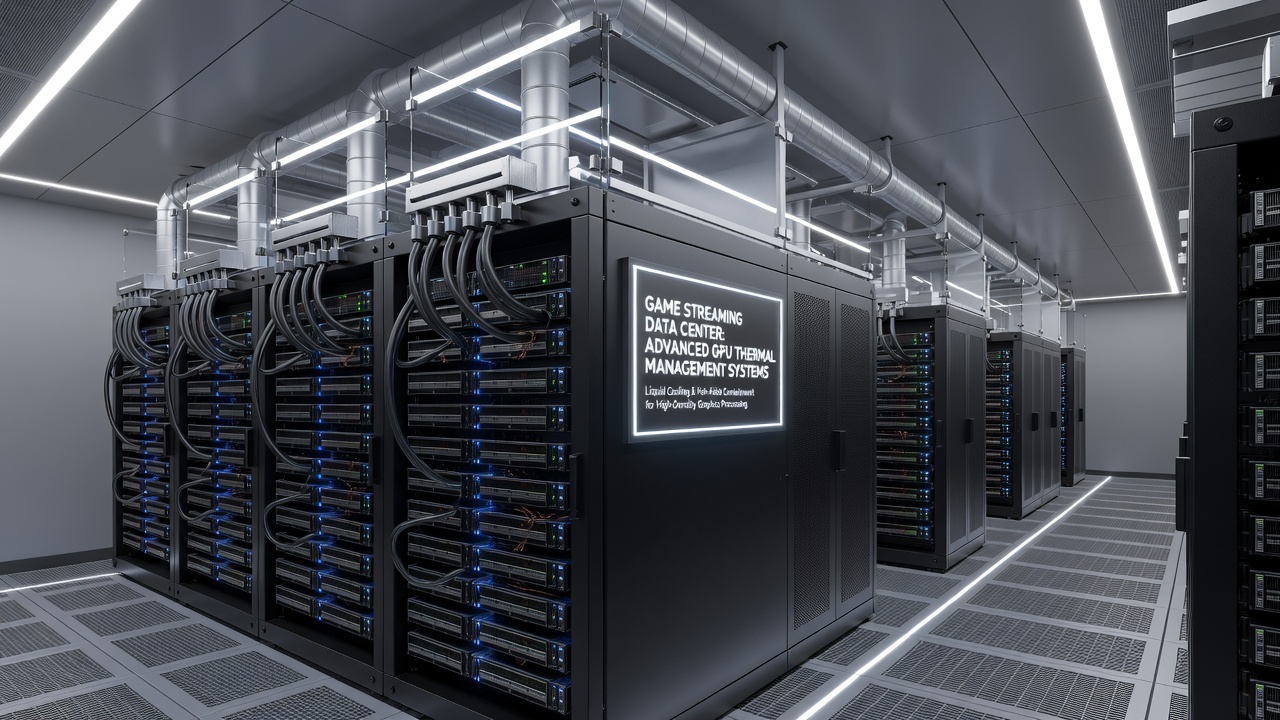
Facilities that retain air-based cooling have adopted advanced containment strategies such as hot and cold aisle separation combined with variable-speed fans that adjust according to real-time GPU telemetry. Sensors embedded in each server report temperature gradients every few seconds, feeding data into centralized dashboards that alert technicians when thresholds are crossed. Studies conducted by the National Renewable Energy Laboratory highlight how these monitoring networks can reduce overall cooling energy consumption by up to 30 percent when paired with machine-learning controls that anticipate demand spikes during evening hours in major time zones.
Integration with Facility-Wide Systems
Heat recovered from GPU arrays sometimes feeds into building-wide heat pumps that warm adjacent office spaces or pre-heat incoming fresh air, which improves overall site efficiency ratings. European operators following EU energy efficiency directives have documented measurable gains from such integrations, while similar projects in Canadian provinces apply comparable techniques under local utility incentive programs. These closed-loop approaches reduce the volume of waste heat released to external cooling towers and align with corporate sustainability targets reported in annual filings.
Power delivery adjustments also contribute to thermal stability because operators limit GPU power caps during off-peak periods and gradually ramp up clocks only when streaming demand rises. This dynamic scaling prevents unnecessary heat generation and extends hardware replacement intervals, according to maintenance logs shared by several North American providers. Redundant power paths ensure that any single failure does not trigger rapid temperature increases across neighboring nodes.
Conclusion
Collectively these measures allow game streaming operators to maintain reliable service levels while managing the substantial heat output of modern graphics processors. Continued refinement of cooling hardware, combined with intelligent software controls and facility-level energy recovery, supports ongoing expansion of cloud gaming capacity without proportional increases in cooling infrastructure costs. Data collected through August 2026 suggests that hybrid approaches blending liquid and air methods will dominate new deployments in the coming years.