How Rural US Libraries Are Incorporating Gaming Tech to Bridge Digital Divides in Community Programs
Xander Carter · Jun 22, 2026
How Rural US Libraries Are Incorporating Gaming Tech to Bridge Digital Divides in Community Programs
Rural communities across the United States face persistent gaps in technology access that limit educational opportunities and social connections yet libraries have emerged as central hubs for addressing these disparities through gaming initiatives that combine hardware, software, and structured programming. Data from the Institute of Museum and Library Services shows that more than 1,200 rural library branches expanded digital services between 2023 and 2025 with gaming technology accounting for a growing share of new offerings. These programs deliver high-speed internet connections, modern consoles, virtual reality equipment, and multiplayer stations that residents otherwise encounter only in distant urban centers or through costly personal purchases.
Digital Access Patterns in Rural Regions
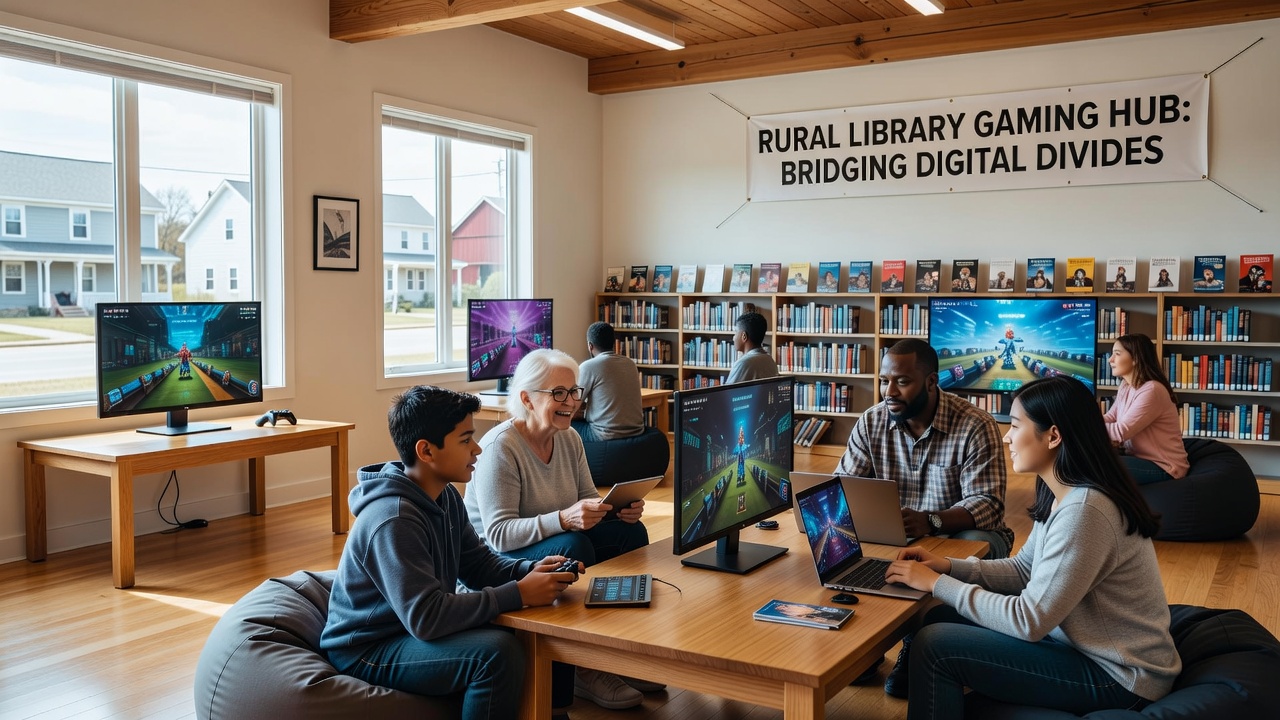
Studies conducted by university researchers reveal that households in counties with populations under 50,000 experience broadband subscription rates 22 percent lower than national averages while device ownership skews heavily toward smartphones rather than gaming-ready computers or consoles. Libraries counter these limitations by creating after-school esports leagues, weekend VR exploration sessions, and family-oriented simulation nights that require no personal equipment beyond a library card. One program in the Midwest equipped three branches with Nintendo Switch stations and high-speed fiber lines in early 2025 resulting in a 47 percent increase in teen attendance according to internal circulation records.
Hardware Deployments and Program Models
Library systems have adopted modular setups that scale with available space and funding sources, often starting with donated or grant-funded consoles before expanding to dedicated gaming rooms. In June 2026 several state library associations released updated guidelines recommending the integration of cloud gaming services alongside physical hardware to reduce maintenance burdens in locations with limited technical staff. These guidelines emphasize ADA-compliant seating arrangements, noise-dampening partitions, and age-appropriate content curation that aligns with existing collection development policies.
Community colleges in partnership with rural libraries have supplied refurbished gaming PCs loaded with educational titles covering coding, digital art, and historical simulations. Observers note that such collaborations allow libraries to leverage institutional purchasing agreements while colleges gain access to real-world testing environments for student projects. Participation metrics collected through simple check-in apps indicate that adults over age 35 represent the fastest-growing user segment in these shared spaces, frequently joining introductory workshops on motion controls and cooperative gameplay.
Skills Development and Social Outcomes
Research published by the University of Illinois examined eight rural library systems and documented measurable gains in digital literacy among participants who completed eight-week gaming curricula focused on online safety, file management, and collaborative problem-solving. Pre- and post-assessments showed average score improvements of 31 percent while qualitative interviews highlighted increased comfort with public Wi-Fi usage and online job applications. Program coordinators report that multiplayer formats naturally encourage cross-generational interaction because younger players often assist older participants with controller navigation and menu navigation.
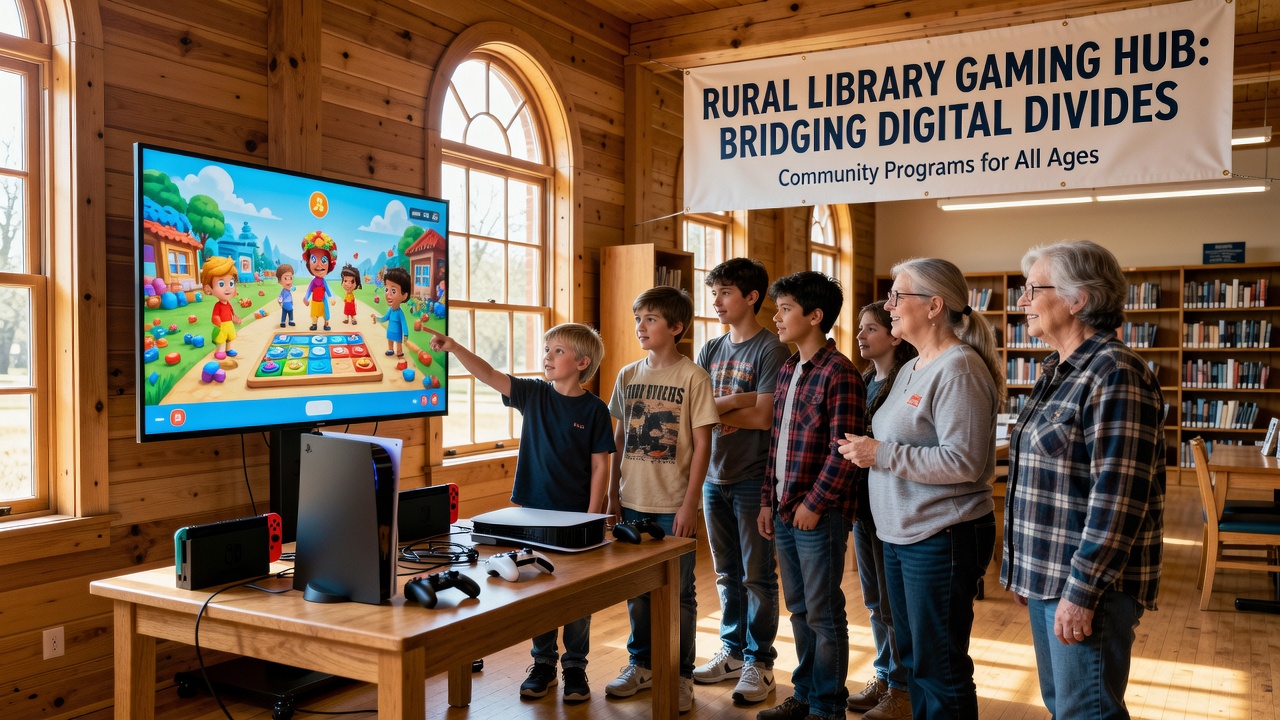
Funding streams supporting these efforts include federal broadband expansion grants administered through the National Telecommunications and Information Administration as well as private foundation awards targeted at STEM equity. Libraries track return on investment through simple metrics such as increased card sign-ups and meeting room utilization rather than complex analytics platforms. One library consortium in the Pacific Northwest reported that gaming events accounted for 18 percent of total program attendance in fiscal year 2025 despite representing only 6 percent of budgeted programming hours.
Implementation Challenges and Adaptations
Staff training remains a recurring concern because many rural branches operate with part-time personnel who balance multiple service areas. Professional development webinars offered by regional library networks now include modules on troubleshooting console firmware updates and managing multiplayer server permissions. Equipment longevity receives equal attention with libraries establishing rotation schedules that move high-use controllers and headsets between branches to distribute wear. Insurance riders covering accidental damage have become standard practice following early pilot programs that experienced higher-than-expected replacement rates.
Content licensing agreements require careful navigation because many popular titles carry age ratings or online subscription requirements. Coordinators address these constraints by maintaining curated lists of single-player offline experiences alongside free-to-play options that do not require ongoing payments. Partnerships with game developers have produced limited-time library licenses for certain educational titles allowing simultaneous checkouts across multiple locations without per-user fees.
Looking Ahead
Expansion plans outlined in state library strategic documents for 2026 through 2028 prioritize mobile gaming labs housed in repurposed bookmobiles that can rotate through smaller towns lacking permanent branches. Pilot tests conducted in spring 2026 demonstrated that portable VR kits powered by battery packs and 5G hotspots maintained stable performance across three-county circuits. Continued data collection will determine whether these mobile units achieve participation levels comparable to fixed-site programs.
Conclusion
Rural libraries continue to refine gaming technology deployments by aligning hardware choices with documented community needs and available technical support structures. The combination of physical spaces, trained facilitators, and accessible equipment creates entry points for residents who previously lacked pathways into digital environments. Ongoing evaluation efforts track both quantitative attendance figures and qualitative reports of increased technology confidence among participants. These developments illustrate how public institutions adapt emerging tools to longstanding access challenges without requiring individual households to bear the full cost of hardware and connectivity.