Hybrid Gaming Workouts Emerge as Virtual Reality Headsets Sync with Fitness Trackers for American Consumers
Sage Schulz · May 18, 2026
Hybrid Gaming Workouts Emerge as Virtual Reality Headsets Sync with Fitness Trackers for American Consumers
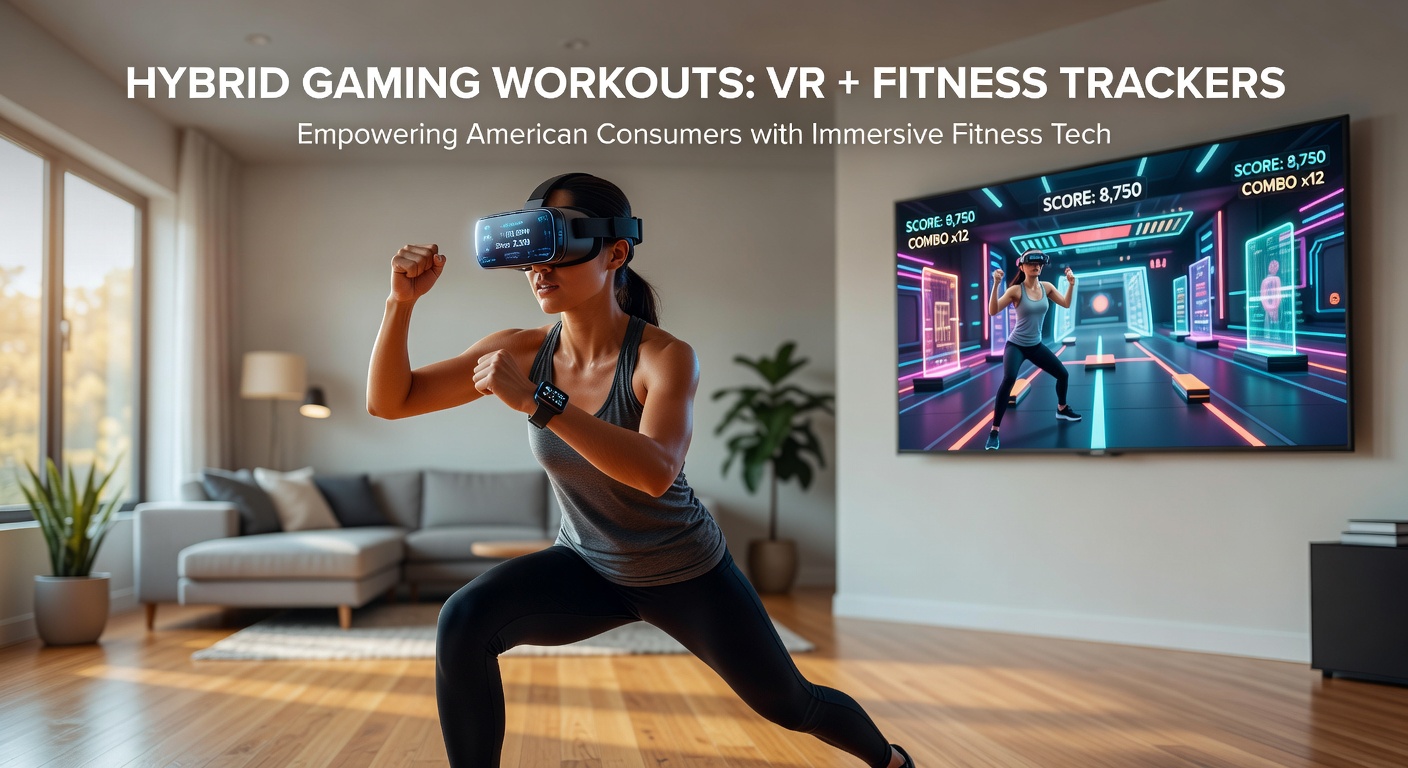
American consumers now encounter a growing category of hybrid workouts that link virtual reality headsets directly to fitness trackers, creating experiences where gameplay drives measurable physical activity while real-time biometric data shapes game responses. Manufacturers achieve this integration through Bluetooth and Wi-Fi connections that transmit heart rate, step counts, and calorie estimates from devices such as wristbands and chest straps into VR platforms, allowing games to adjust intensity levels or unlock virtual rewards based on actual exertion.
Technical Connections Driving Current Systems
Developers establish these links by embedding software development kits from fitness tracker companies into VR titles, so headsets receive continuous streams of physiological information while users perform movements like squats, lunges, or arm swings that the game recognizes as in-game actions. Systems built around popular headsets now support third-party APIs that pull data from multiple tracker brands simultaneously, and this setup lets players maintain sessions that last twenty to forty minutes while the software logs heart rate zones and movement patterns for later review in companion mobile apps.
Hardware compatibility has expanded since late 2025, when several fitness tracker makers released firmware updates that improved latency during wireless data exchange with VR ecosystems. Users connect their devices once through a central app, after which the headset and tracker maintain synchronized sessions without manual intervention, and the combined setup records both gameplay statistics and traditional fitness metrics in a single dashboard.
Consumer Adoption Patterns in the United States
Sales data from major retailers indicate that households already owning VR headsets purchased compatible fitness trackers at higher rates during the first quarter of 2026, with bundle promotions featuring pre-configured software profiles contributing to the increase. Observers note that many American users begin with casual rhythm or boxing titles that require repeated arm motions, then progress to full-body programs that incorporate balance challenges and resistance elements tracked through the wearable sensor.
Community forums and manufacturer support logs show that participants often combine these hybrid sessions with existing gym memberships, using the VR component for variety on days when outdoor activity proves impractical. Data collected through one major fitness platform revealed average daily step equivalents rising among users who maintained three or more hybrid sessions per week, although individual results vary based on baseline activity levels and game selection.
Real-World Examples from Recent Releases
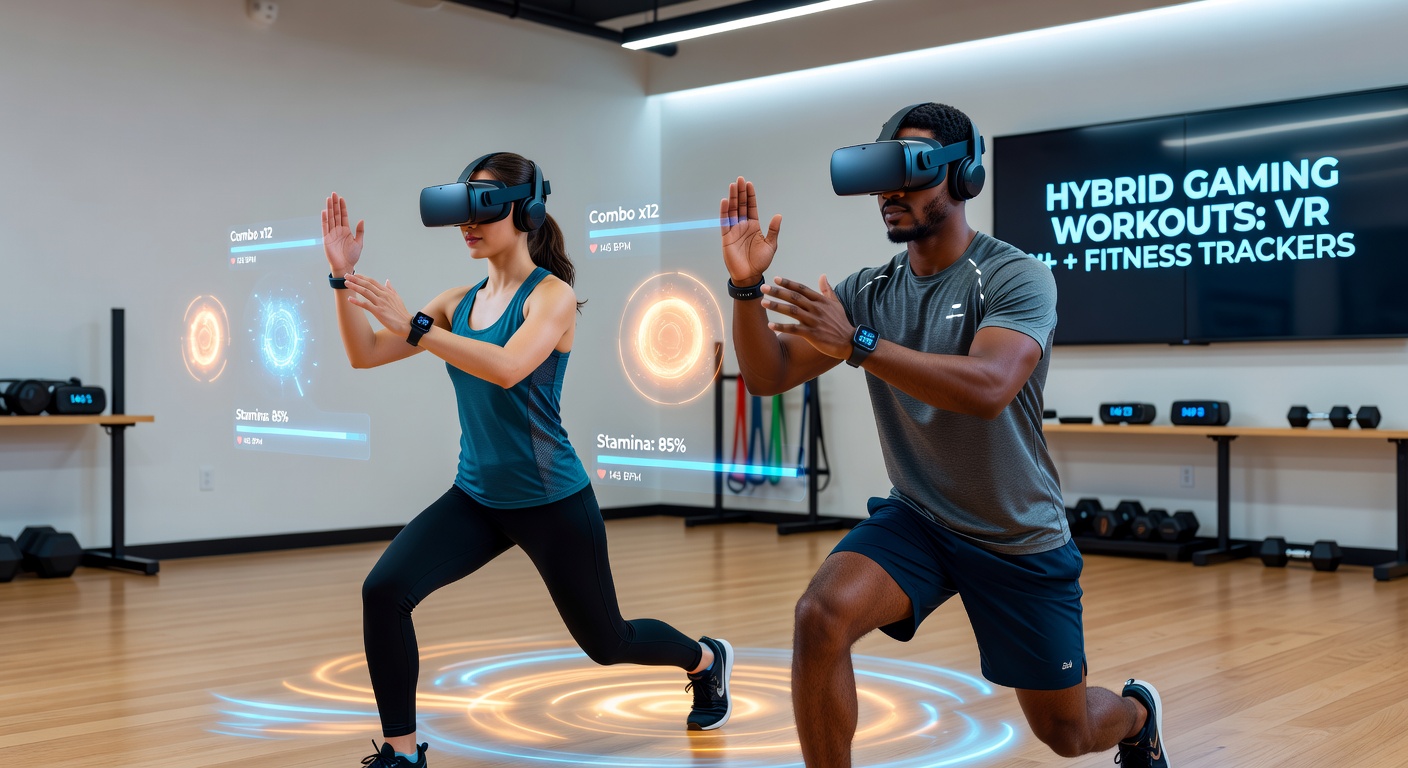
One title launched in early 2026 allows players to select from multiple virtual environments while the attached tracker monitors elevated heart rate during combat sequences or exploration segments, automatically scaling enemy difficulty when the user maintains a target zone for several consecutive minutes. Another platform introduced cooperative modes where two participants link their separate headsets and trackers, enabling shared progress metrics that appear on a joint leaderboard updated in real time.
Industry reports from the Entertainment Software Association document rising interest in wellness-focused VR content among developers targeting the North American market, and several university research groups have begun pilot studies examining how sustained hybrid play affects cardiovascular markers over eight-week periods. Participants in one such study at a Midwestern institution completed guided routines that blended guided yoga poses with light resistance movements, all while the headset adjusted visual feedback according to live heart rate readings from the paired tracker.
Health and Safety Considerations Under Review
The Centers for Disease Control and Prevention continues to publish general physical activity guidelines that apply to any exercise format, including those delivered through immersive technology, and device makers now include disclaimers that recommend medical consultation before starting intense programs. Users receive on-screen prompts when detected exertion exceeds preset thresholds, prompting brief pauses or reduced movement options within the game environment.
Regulatory bodies in the European Union have issued guidance on data privacy for connected health devices, and American companies selling into that market have adjusted their data handling practices accordingly, although domestic standards remain centered on existing consumer electronics regulations. Manufacturers address motion sickness concerns by offering calibration routines that gradually introduce movement before full sessions begin, and many titles include seated alternatives for users who prefer lower-intensity options.
Market Outlook Through Mid-2026
Analysts tracking consumer electronics shipments project continued growth in bundled VR and fitness products through May 2026, with new headset models expected to include built-in ports or improved wireless protocols that reduce setup time for first-time users. Software updates scheduled for release during that period will add support for additional tracker models and refine calorie estimation algorithms using larger aggregated datasets from existing customers.
Retailers report that demonstration stations in select stores now feature complete hybrid setups, allowing shoppers to experience a short session that displays live biometric feedback alongside gameplay elements. This hands-on approach helps clarify how the two technologies interact without requiring prior technical knowledge, and early feedback collected at these locations shows high completion rates for the introductory routines.
Conclusion
Integration between virtual reality headsets and fitness trackers continues to evolve through incremental software and hardware improvements that prioritize reliable data exchange and user accessibility. American consumers encounter an expanding range of titles and devices that combine entertainment value with structured movement, supported by ongoing research and industry collaboration. As compatibility standards mature and additional health-focused content reaches the market, the category maintains steady visibility within broader wellness technology trends.