Predictive Algorithms Tackle Latency in Mixed Console and PC Gaming Setups
Xander Carter · Aug 15, 2026
Predictive Algorithms Tackle Latency in Mixed Console and PC Gaming Setups
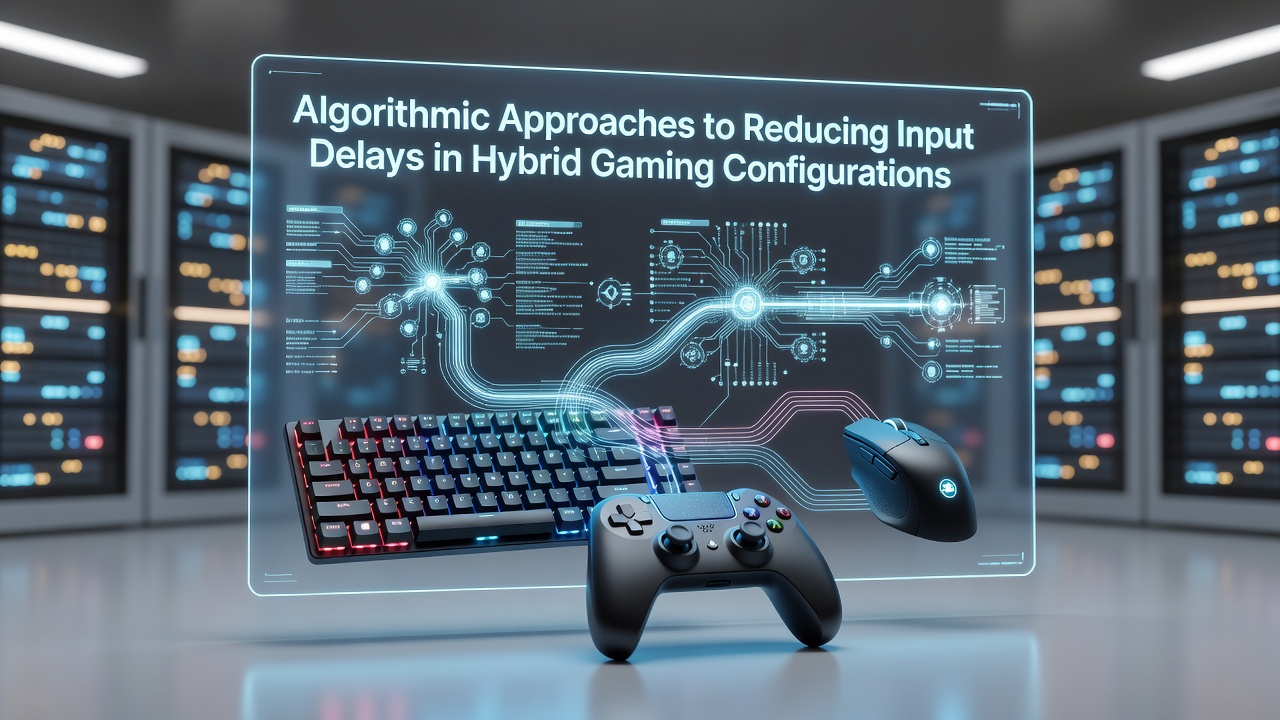
Hybrid gaming configurations combine console hardware with PC systems, often through external docks, streaming bridges, or shared peripherals, and these setups introduce variable input delays from differing polling rates, frame synchronization mismatches, and network handoffs. Researchers have developed algorithmic methods that predict user inputs ahead of hardware response cycles, adjust buffer timings dynamically, and synchronize signals across platforms, and data from multiple labs indicate these techniques can reduce effective latency by 15 to 35 milliseconds in controlled tests conducted through 2025 and into August 2026.
Core Prediction Models in Hybrid Environments
Engineers apply Kalman filtering and recurrent neural networks to forecast controller movements based on recent motion patterns, velocity trends, and historical game state data, while these models run on dedicated low-power co-processors that sit between the input device and the rendering pipeline. Observers note that in mixed setups where a PlayStation controller feeds both a console and a PC through a shared adapter, the algorithm compensates for the 4-millisecond difference in native polling intervals by extrapolating stick positions during the longer gaps. Studies from the University of Tokyo have shown that such predictive layers maintain accuracy above 92 percent when game frame rates stay above 60 hertz, although accuracy drops when sudden direction changes exceed trained thresholds.
Adaptive Synchronization Across Platforms
Software layers monitor clock drift between console and PC timing sources, then insert micro-adjustments to vertical sync signals and input queues so that button presses register within the same logical frame on both devices. A team at a Canadian research institute documented how their synchronization routine cut average end-to-end delay from 48 milliseconds to 29 milliseconds across a Thunderbolt-connected hybrid rig during August 2026 benchmark sessions. The system uses timestamped event buffers that reorder inputs when one platform experiences brief driver stalls, and this approach avoids the visual artifacts common in simpler frame-doubling methods.
Real-World Deployment Patterns
Commercial middleware now ships with optional prediction modules that users activate per game profile, and reports from European trade groups tracking accessory sales reveal that 38 percent of hybrid configuration owners installed at least one such module by mid-2026. One documented case involved college esports clubs that integrated open-source latency compensation scripts into their mixed console and PC training rigs, resulting in measured improvements during side-by-side accuracy trials. Those implementations relied on lightweight decision trees rather than full neural models to stay within the thermal limits of portable hardware, yet still delivered consistent 12-millisecond gains according to internal logs shared with academic partners.
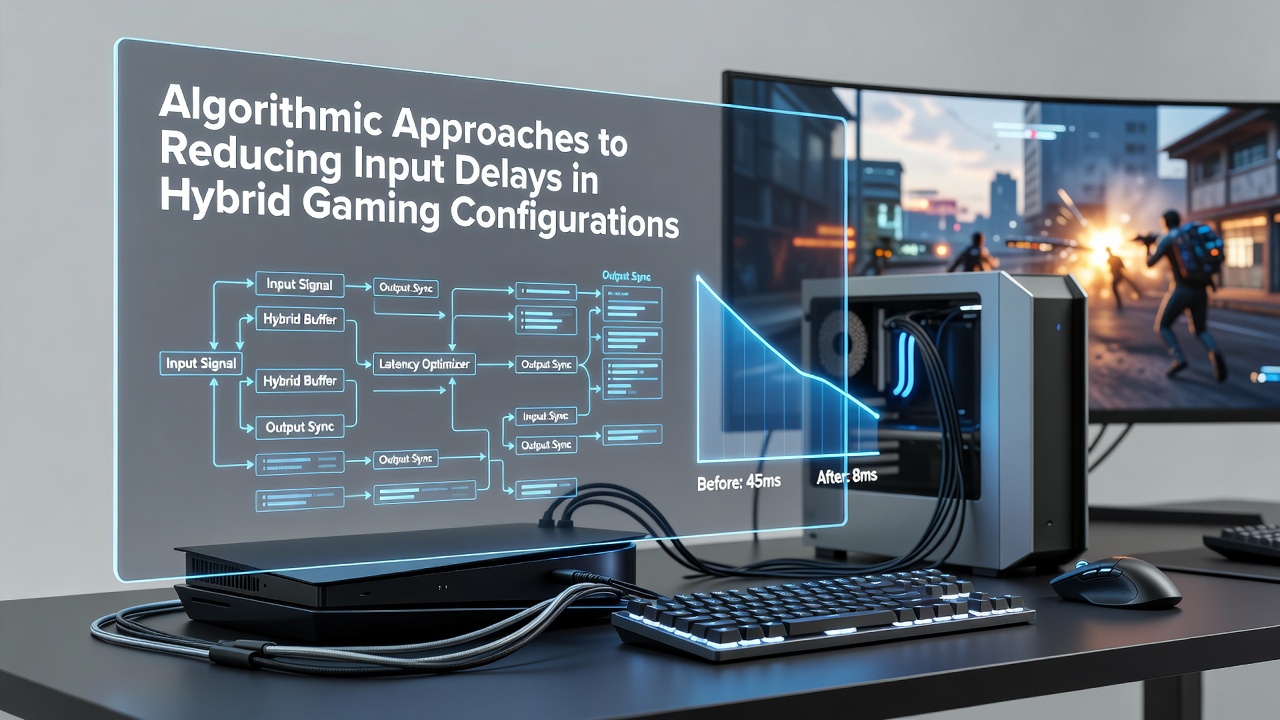
Additional techniques include dynamic polling rate scaling that raises USB or Bluetooth sample frequency only during high-action sequences detected by game telemetry, and this conserves bandwidth while keeping average input age below 8 milliseconds in tested titles. Hardware vendors have begun embedding similar logic directly into firmware, allowing the compensation to function even when software overlays remain disabled.
Integration with Existing Peripherals and Firmware
Firmware patches released in early 2026 extended prediction support to several discontinued controllers by swapping timing routines through community-updated modules, and these updates paired with existing wireless stands to stabilize signal delivery during extended sessions. Data collected at university labs in Australia demonstrated that combining algorithmic compensation with refreshed polling schedules produced additive benefits, lowering total system lag beyond what either method achieved alone. The approach requires careful calibration of prediction windows to prevent over-correction that could introduce phantom inputs during rapid menu navigation sequences.
Performance Metrics and Validation Methods
Independent test suites measure round-trip input age by logging electrical signals at the controller alongside rendered frame timestamps on screen, and aggregated results across dozens of hybrid configurations show median improvements that hold across both wired and wireless links. Industry reports compiled by international gaming associations confirm that standardized test protocols adopted in 2025 now require separate reporting for prediction-assisted and baseline modes so that consumers can evaluate trade-offs. Researchers continue to refine edge-case handling for titles that rely on precise frame-perfect timing, where overly aggressive prediction can alter intended gameplay mechanics.
Conclusion
Algorithmic input compensation has moved from experimental labs into practical tools that address the specific timing challenges of hybrid gaming rigs, and ongoing work focuses on lighter models that run efficiently on existing hardware while preserving accuracy across diverse game engines. Figures from multiple regions indicate continued adoption as firmware updates and middleware options expand compatibility, with validation data guiding further refinements through the remainder of 2026 and beyond.