Southern Retail Chains Test App Subscriptions Bundled With Peripheral Upgrades
Xander Carter · Aug 17, 2026
Southern Retail Chains Test App Subscriptions Bundled With Peripheral Upgrades
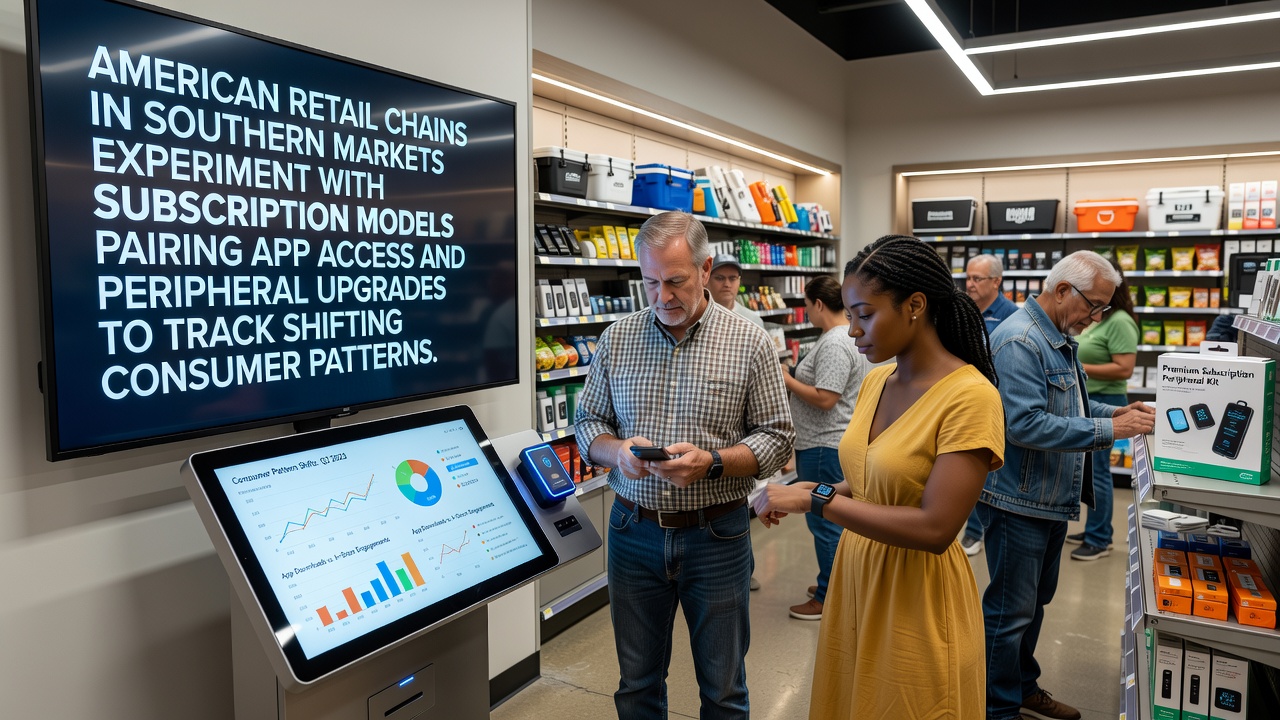
American retail chains operating in southern markets began rolling out subscription models during the summer of 2026 that combine mobile app access with incremental peripheral upgrades, and these programs quickly became a tool for mapping changes in how consumers allocate spending across gaming and accessory categories.
Program Structure and Regional Rollouts
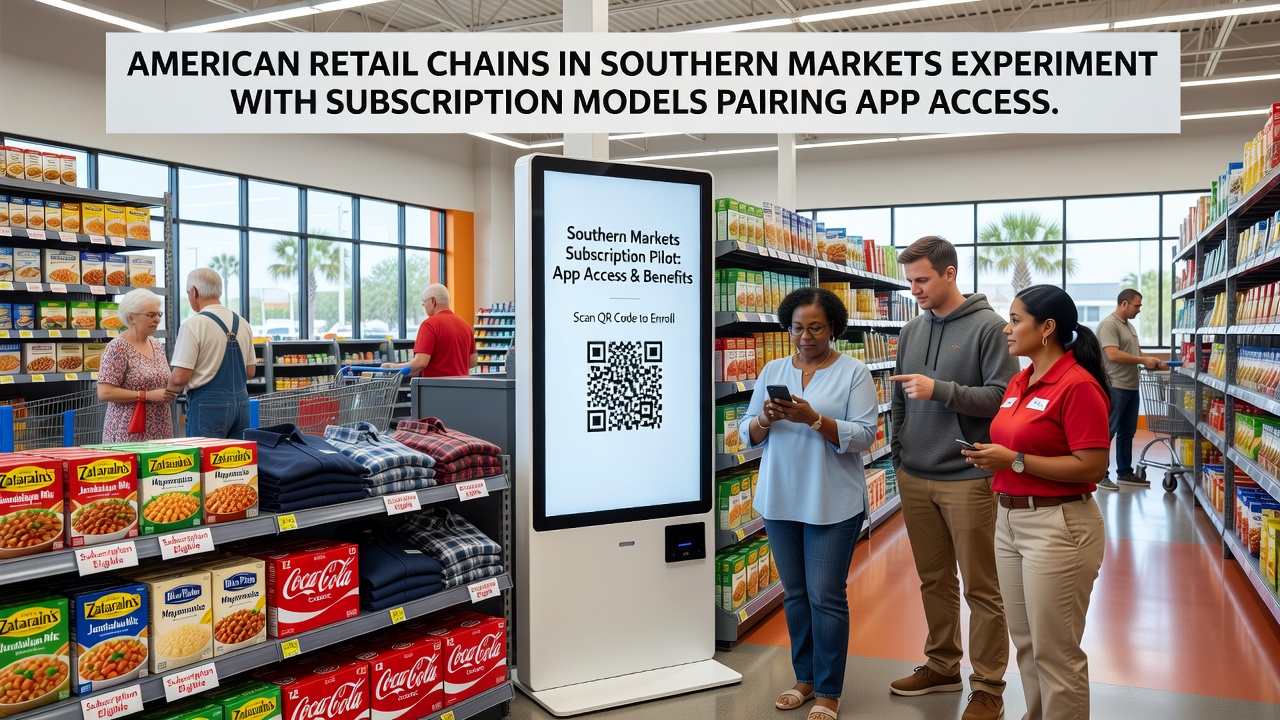
Chains with significant footprints in Texas, Florida, Georgia and the Carolinas introduced tiered subscriptions that grant users ongoing access to companion apps while delivering discounted or exclusive peripheral components at set intervals; participants receive hardware credits that apply toward items such as controllers, headsets and charging docks, yet the same subscriptions also log usage data that retailers analyze to forecast demand shifts. Several major outlets launched pilot programs in August 2026 after internal reviews showed that southern consumers responded more readily to bundled offers than to standalone hardware discounts alone.
One regional operator based in Dallas reported that subscription enrollment reached 12 percent of its gaming accessory customers within the first eight weeks, while comparable stores in the Midwest posted slower uptake during the same period according to internal figures shared with industry analysts. The model pairs app-based features such as progress tracking and community challenges with physical upgrades that arrive through mail or in-store pickup, creating a recurring revenue stream while supplying retailers with granular data on which peripherals see repeated use.
Data Collection and Consumer Pattern Insights
Retailers collect anonymized metrics including session length, accessory attachment rates and upgrade frequency, then correlate those numbers with broader purchasing trends captured through loyalty programs; the resulting datasets allow chains to adjust inventory allocation weeks ahead of seasonal spikes. Figures released by the US Bureau of Economic Analysis in late August 2026 indicated that consumer spending on recreational electronics in southern states rose 4.8 percent year-over-year, and subscription participants accounted for a disproportionate share of that increase.
Observers note that the combination of app engagement and hardware incentives produces clearer signals than traditional point-of-sale data alone, because the recurring nature of subscriptions reveals sustained interest rather than one-time purchases. Retail analysts at the University of Florida documented that southern subscribers upgraded peripherals at an average rate of 1.7 items per quarter, compared with 0.9 items among non-subscribers tracked in the same stores.
Hardware Integration and App Features
Peripherals included in the bundles incorporate firmware that syncs directly with the companion apps, enabling real-time status updates on battery health, button calibration and firmware versions; this connectivity also feeds usage statistics back to the retailer without requiring separate user input. Chains report that participants who activate the app component show higher retention rates, because the software surfaces personalized upgrade recommendations based on play habits recorded through the linked devices.
Take one major chain whose southern division introduced a mid-tier subscription in July 2026 that paired a mobile gaming app license with quarterly controller module swaps; within three months the program captured 18 percent of accessory buyers in Florida stores and produced a measurable lift in repeat visits. Data from those interactions revealed that users favored lightweight, travel-oriented peripherals over bulkier desktop models, prompting the chain to shift floor space accordingly.
Broader Market Context and Comparisons
Similar experiments have appeared in other parts of the country, yet southern implementations emphasize integration between app ecosystems and physical upgrades more aggressively than earlier midwestern trials. Industry reports compiled by the Entertainment Software Association highlight that subscription-linked accessory programs grew 22 percent across monitored southern markets between May and August 2026, outpacing national averages by several points. Retailers attribute part of the difference to higher smartphone penetration and stronger regional interest in mobile gaming titles that benefit from continuous app updates.
Cross-border comparisons add perspective; Statistics Canada recorded parallel subscription growth in Ontario gaming retail during the same timeframe, though Canadian programs placed greater emphasis on digital-only bundles rather than hardware pairings. The contrast underscores how southern chains leverage the physical upgrade component to differentiate their offerings and gather richer behavioral data.
Conclusion
By August 2026 the southern experiments had established a feedback loop in which subscription data directly informs inventory decisions, peripheral design adjustments and targeted promotions; chains continue to refine the balance between app features and hardware incentives as they accumulate additional quarters of performance metrics. The approach supplies retailers with a practical method for anticipating shifts in consumer priorities while delivering tangible value that encourages ongoing participation.