The Rise of Biometric Integration in US Esports Training Facilities
David Hansen · May 16, 2026
The Rise of Biometric Integration in US Esports Training Facilities
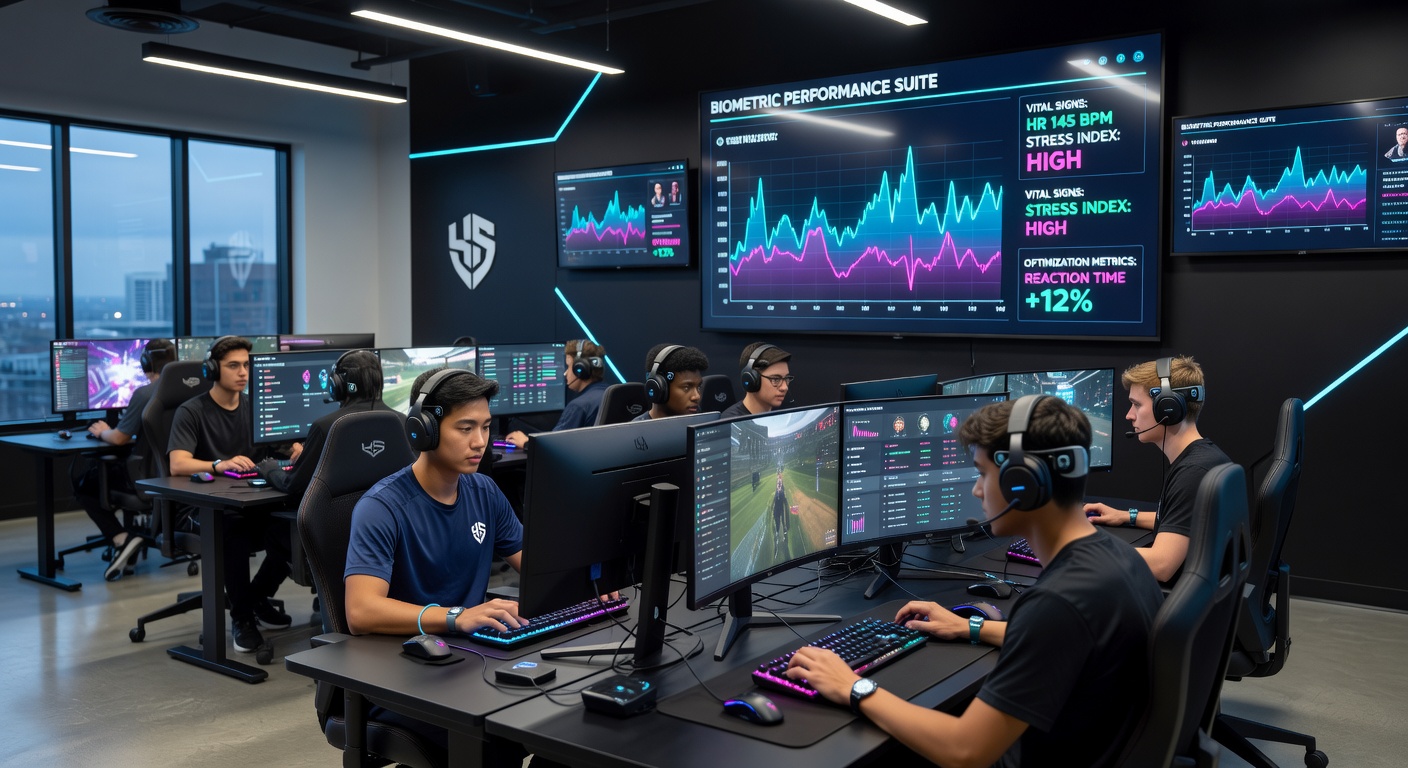
Facilities across the United States have steadily adopted specialized hardware and software to monitor player vitals in real time, and this shift has reshaped how competitive teams approach preparation as of May 2026. Observers note that heart rate variability trackers, electroencephalogram headsets, and eye-tracking cameras now sit alongside traditional controllers and keyboards in many training rooms. Data from these devices feeds directly into analysis platforms that flag fatigue patterns or stress spikes before they affect match outcomes. Training staff rely on wrist-worn optical sensors and chest-strap monitors to capture continuous readings of cardiovascular response during extended scrimmage blocks. Software dashboards then correlate those readings with in-game metrics such as reaction time and decision accuracy, allowing coaches to adjust session intensity on the fly. Researchers at several university labs have documented how such correlations help teams maintain higher average focus levels across multi-hour practice windows.Hardware Components Driving the Trend
Specialized biometric rigs combine multiple sensors into single wearable units that transmit data over low-latency wireless protocols. Facilities in California and Texas currently deploy compact EEG bands that measure brainwave patterns associated with concentration and emotional regulation, while integrated pulse-oximeters track blood oxygen saturation during high-stakes drills. These tools operate alongside motion-capture gloves that record fine-motor tremors, giving analysts a fuller picture of physical strain.
Teams integrate the hardware into existing setups without major infrastructure changes, since most devices use standard Bluetooth or proprietary dongles that connect to central servers. Maintenance logs from several organizations show uptime rates above 95 percent when devices receive routine calibration, which typically occurs between practice blocks rather than during live events.
Software Platforms and Performance Optimization
Analysis suites process streams from multiple sensors simultaneously, applying machine-learning models trained on aggregated anonymized datasets from collegiate and professional rosters. The platforms generate individualized reports that highlight recovery windows, optimal sleep targets, and suggested hydration cues based on observed physiological baselines. Coaches access these reports through secure web portals or dedicated tablets positioned at each station.
One notable implementation pairs biometric output with game telemetry so that sudden drops in heart-rate variability align with measurable declines in aim precision or map awareness. Analysts then schedule micro-breaks or breathing exercises at those precise moments, a practice that multiple organizations have standardized since early 2025.

Adoption Patterns Across Regions and Organizations
East-coast academies were among the first to pilot full biometric suites, yet midwestern and western facilities have closed the gap by partnering with regional universities that supply both equipment grants and data-analysis expertise. Reports from the IEEE gaming technology working group indicate that roughly 40 percent of Tier-1 US training centers now maintain at least partial biometric coverage, with adoption rates climbing fastest among squads preparing for international qualifiers.
International comparisons appear in studies released by the Australian Institute of Sport, which tracks parallel programs in Oceania and notes similar hardware choices but differing software priorities centered on long-haul travel recovery. US programs, by contrast, emphasize acute in-session adjustments that fit dense domestic tournament schedules.
Integration with Existing Training Protocols
Biometric monitoring layers onto nutrition plans and physical conditioning routines already in place at most facilities. Staff cross-reference nightly sleep scores from under-mattress sensors with daytime cognitive-test results, then tweak evening curfews or caffeine cutoffs accordingly. Nutritionists receive automated alerts when hydration markers dip below thresholds established during baseline testing weeks earlier.
Communication between analysts and players occurs through concise visual cues on secondary monitors rather than lengthy verbal briefings, preserving focus during active drills. Several organizations report that players quickly adapt to wearing the additional hardware once initial calibration sessions confirm comfort and minimal interference with standard controller grip.
Data Privacy and Regulatory Considerations
Facilities store biometric records on encrypted local servers with access limited to designated performance staff and medical consultants. Consent forms outline exactly which metrics teams retain and for how long, aligning with emerging state-level digital-health guidelines. Compliance officers review data-handling procedures quarterly, and external audits occur annually at larger organizations.
Retention policies typically delete raw sensor logs after 90 days unless players opt into longer-term research studies, a choice presented separately from standard training agreements. These safeguards address concerns raised by player unions while still supplying the longitudinal datasets analysts need to refine predictive models.
Conclusion
Biometric integration continues to expand within US esports training environments through incremental hardware upgrades and refined software algorithms that translate raw vitals into actionable training adjustments. Facilities maintain steady adoption momentum by balancing performance gains against privacy requirements and equipment reliability. As sensor miniaturization advances and datasets grow, teams gain clearer visibility into the physiological factors that separate consistent results from peak output, shaping preparation methods well into the latter half of the decade.