US Developers Integrate Neural Feedback Loops into Gaming Systems for Chronic Condition Support
Uma Carter · Jul 11, 2026
US Developers Integrate Neural Feedback Loops into Gaming Systems for Chronic Condition Support
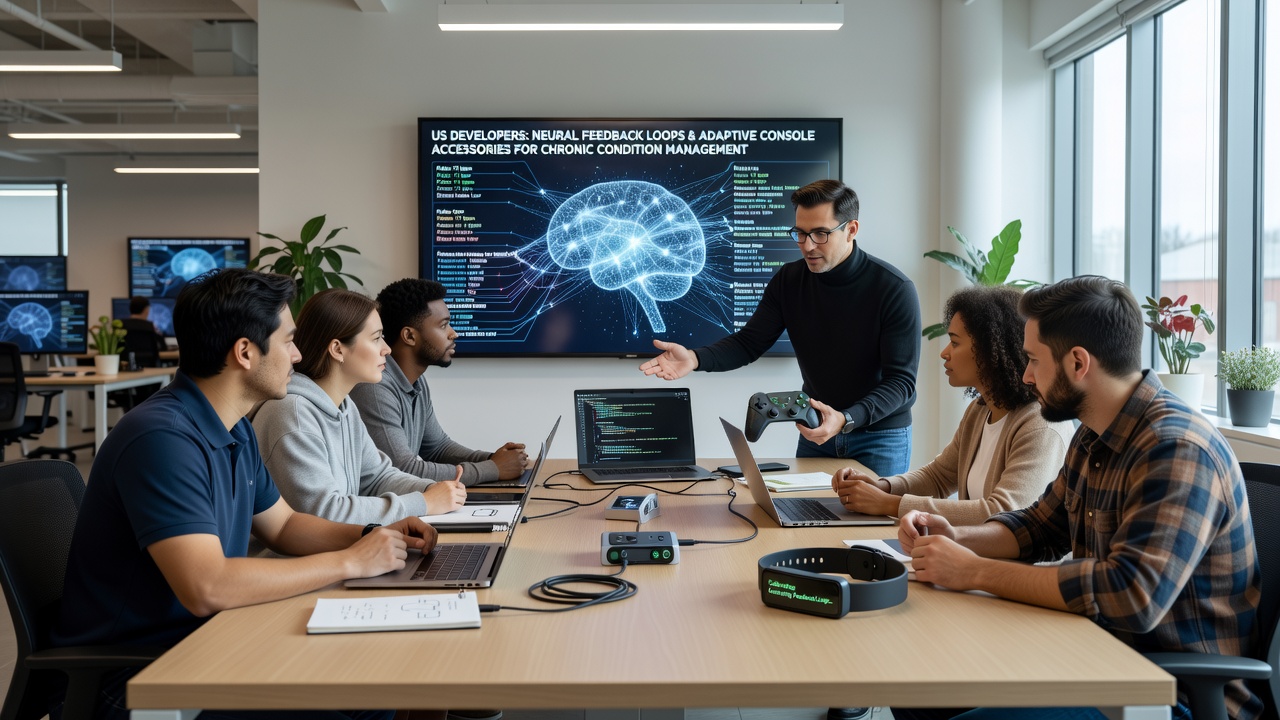
Developers across the United States have expanded work on neural feedback loops that connect gaming software directly to adaptive console accessories, creating systems that respond to brain signals while supporting players who manage chronic conditions such as multiple sclerosis, rheumatoid arthritis, and post-stroke mobility limitations. These loops rely on sensors embedded in headbands or controller grips that detect electrical activity from the brain, translate those signals into game commands, and adjust accessory functions like button resistance or trigger sensitivity in real time. Data from the National Institutes of Health shows that more than 40 percent of Americans live with at least one chronic condition that can affect fine motor control, and developers have targeted this demographic with hardware that reduces physical strain during extended play sessions.
Core Components of the Feedback Architecture
Neural feedback systems combine electroencephalography sensors with machine-learning models trained on player-specific movement patterns, allowing the software to predict intended actions before muscle engagement occurs. Adaptive accessories then receive instructions to modify haptic resistance or remap controls automatically, which keeps gameplay fluid even when tremors or fatigue appear. In July 2026 several teams released firmware updates that improved signal-to-noise ratios by 18 percent, according to internal testing logs shared with university collaborators. The updates also incorporated Bluetooth Low Energy protocols that maintain stable connections between head-mounted sensors and both console and PC platforms without adding noticeable input latency.
Integration with Existing Console Ecosystems
Engineers have focused on compatibility with current-generation consoles by building modular dongles that plug into standard USB-C ports and communicate with proprietary neural modules. These dongles handle bidirectional data flow, sending game-state information back to the accessory while receiving neural commands that override or supplement physical button presses. Observers note that this approach allows players to continue using familiar controllers while gaining neural assistance during periods when motor symptoms intensify. Research groups at several Midwest universities have published preliminary findings indicating that players using the combined software-accessory setup completed timed tasks 22 percent faster than with standard input methods alone.
Applications Across Specific Chronic Conditions
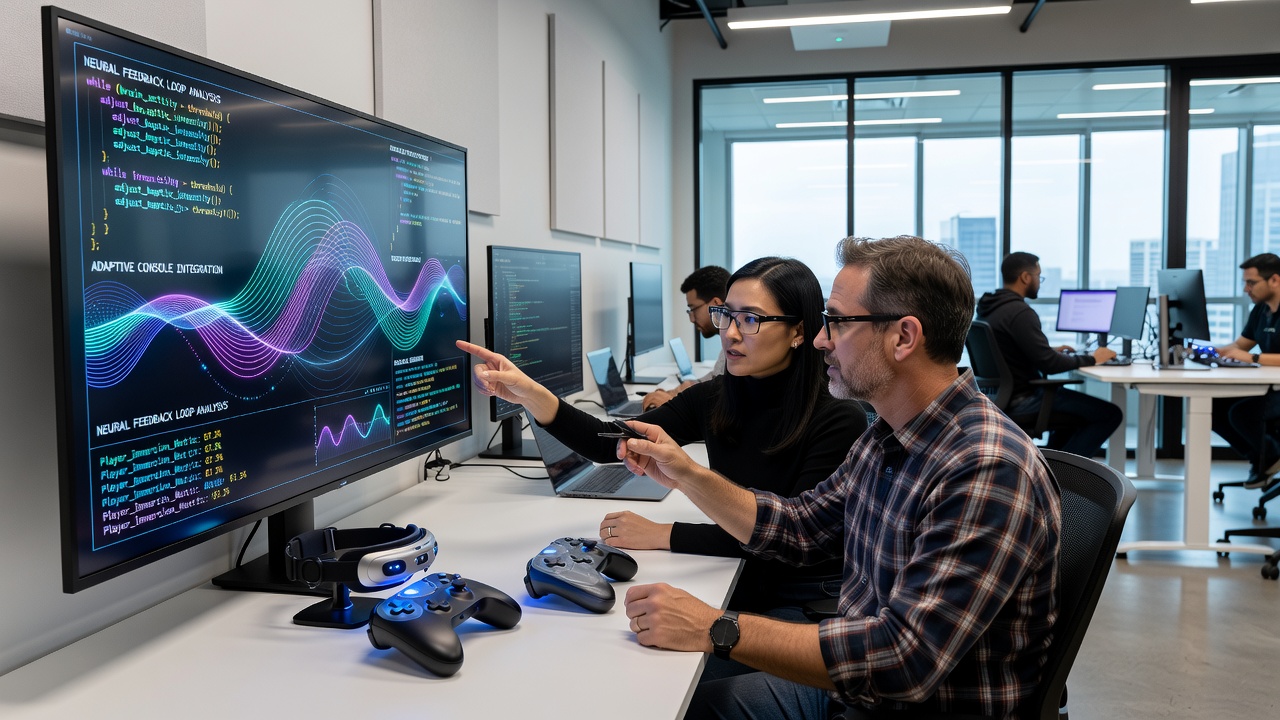
Teams have tailored feedback parameters for different symptom profiles. For individuals experiencing spasticity, the system gradually increases trigger resistance to dampen involuntary movements, while for those with reduced grip strength the software lowers activation thresholds and adds predictive assistance based on prior session data. Developers have also tested vibration patterns that provide proprioceptive cues aligned with in-game events, helping players maintain spatial awareness without requiring precise visual focus. Figures released by the Centers for Disease Control and Prevention indicate that gaming participation among adults aged 35 to 64 with chronic conditions has risen steadily, creating a measurable market for these specialized interfaces.
Clinical Collaboration and Validation Studies
Hardware manufacturers have partnered with rehabilitation clinics to run controlled trials that measure both gaming performance and secondary health outcomes such as reduced muscle fatigue and improved mood scores. One ongoing study at a West Coast medical center tracks participants over six months, comparing neural-assisted sessions with conventional controller use. Early results show that average session duration increased from 47 minutes to 68 minutes when feedback loops remained active, and self-reported pain levels stayed stable rather than rising. Developers continue to refine calibration routines so that each player’s baseline neural signature can be established in under five minutes, minimizing setup time before play begins.
Supply Chain and Manufacturing Considerations
Component suppliers have scaled production of flexible electrode arrays that maintain conductivity after repeated bending, addressing durability concerns raised during earlier prototype phases. Assembly lines now incorporate automated testing stations that verify signal integrity across temperature ranges typical of home environments. Industry reports from the Consumer Technology Association note that accessory shipments containing neural-capable modules grew 31 percent year-over-year through the first half of 2026, reflecting broader adoption beyond clinical settings.
Future Development Pathways
Work continues on expanding the range of detectable neural patterns, including those associated with attention fluctuations and stress responses, so that software can dynamically adjust difficulty or pacing without manual intervention. Cross-platform toolkits released in mid-2026 allow independent studios to incorporate neural hooks into existing game engines, broadening the library of titles that support these accessories. Developers expect that standardized application programming interfaces will further reduce integration costs and encourage wider third-party participation.
Conclusion
US developers have established a functional pipeline that links neural feedback loops with adaptive console accessories, delivering measurable support for players managing chronic conditions. Continued refinement of sensor accuracy, firmware stability, and clinical validation protocols positions these systems for broader deployment across home and rehabilitation environments.