US Gamers Embrace Modular Component Swaps to Prolong Legacy PC Hardware Life Amid Ongoing Supply Limits
Sage Schulz · Jun 15, 2026
US Gamers Embrace Modular Component Swaps to Prolong Legacy PC Hardware Life Amid Ongoing Supply Limits
Supply constraints on key electronics parts have persisted into 2026, prompting many American PC gamers to explore modular component swaps as a practical way to keep older systems running without full replacements, and observers note that this approach gained momentum after global chip shortages carried over from prior years while new hardware availability remained uneven across regions.
Supply Constraints Shape Hardware Decisions
Data from industry tracking services shows that availability of certain graphics cards and power supplies stayed below demand levels through the first half of 2026, particularly for mid-range components that many gamers rely on for steady performance, yet legacy machines from five to eight years old continue to handle current titles when updated selectively through targeted swaps rather than complete overhauls.
Research indicates that gamers in states like Texas and California have formed local networks to share parts inventories, allowing individuals to exchange functional modules such as storage drives or cooling units without purchasing entirely new builds, and this practice aligns with broader trends where reuse extends equipment utility by an average of two to three additional years according to figures compiled by electronics lifecycle analysts.
Mechanics of Modular Swaps in Practice
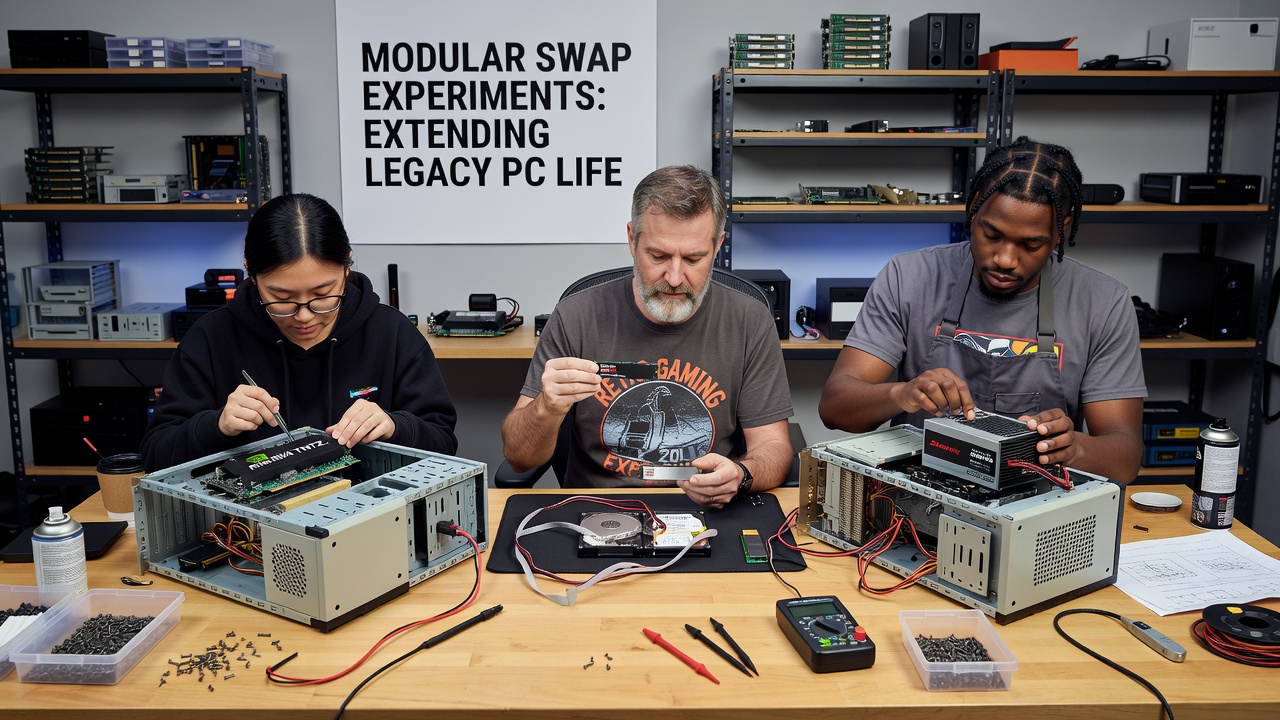
Modular designs in cases and motherboards facilitate these exchanges because standardized interfaces let users replace individual elements like RAM modules or SSDs while retaining the core chassis and processor socket, and those who've studied community forums report that compatibility charts from manufacturers help avoid mismatches during these upgrades.
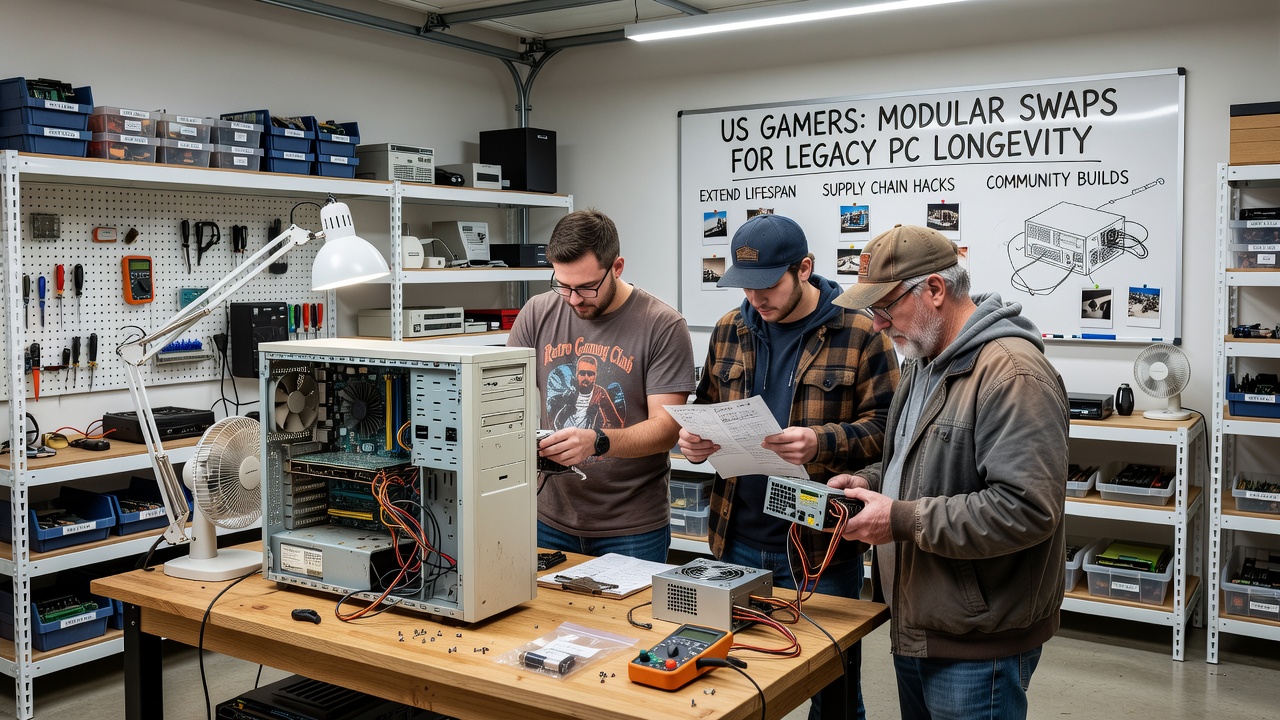
Take one group of enthusiasts in the Midwest who documented their process of swapping out aging power supplies for higher-efficiency units that fit existing modular cabling, resulting in reduced heat output and sustained operation during extended sessions, while similar efforts in the Northeast focused on graphics module adapters that bridge older PCIe slots with newer card revisions.
Adoption Patterns Across Regions
Surveys conducted by hardware interest groups reveal that adoption rates climbed notably by June 2026 in urban centers where access to specialty repair shops supports these modifications, whereas rural areas leaned more on online part exchanges to source compatible modules from discontinued lines.
Evidence suggests that budget-conscious players often start with simpler swaps such as adding faster memory or upgrading cooling fans before moving to more complex processor tray replacements, and this stepwise method minimizes downtime while maximizing the original investment in cases and peripherals that remain compatible across multiple generations.
Documented Outcomes and Supporting Data
Reports from the US Environmental Protection Agency highlight how component-level reuse contributes to lower electronic waste volumes, with modular approaches reducing the frequency of full system discards by enabling targeted refreshes instead of wholesale replacements, and parallel observations from Canadian recycling programs echo similar patterns among cross-border gaming communities.
Academic reviews from institutions tracking consumer electronics usage show measurable gains in system longevity when gamers apply firmware updates alongside hardware swaps, allowing older platforms to maintain frame rates in modern games through efficient resource allocation rather than raw power increases.
One documented case involved a collective in the Pacific Northwest that pooled resources for bulk purchases of interchangeable modules, which then circulated among members to address specific bottlenecks like storage capacity or thermal management, demonstrating how shared inventories address localized supply gaps without relying on new imports.
Challenges Encountered During Implementation
Compatibility remains a hurdle because not every legacy motherboard supports the latest module standards, forcing users to verify pinouts and voltage requirements before installation, yet community-driven databases have emerged to catalog successful pairings and reduce trial-and-error attempts across different hardware vintages.
Thermal considerations also surface when older chassis receive newer high-performance modules, requiring adjustments to airflow paths and sometimes supplemental fan swaps that integrate with existing control headers, and those who've tracked these modifications note that proper documentation of baseline temperatures helps optimize outcomes over successive changes.
Conclusion
Modular component swaps represent a measurable response among US gamers to sustained supply constraints, with available data showing extended hardware lifespans through selective replacements that preserve functional elements while refreshing only necessary parts. Patterns observed through 2026 indicate continued interest in these methods as communities refine techniques and share compatibility resources.