US High School Esports Clubs Embrace Open-Source Solutions to Reduce Input Lag in Mixed Console and PC Setups
Sage Schulz · Jun 13, 2026
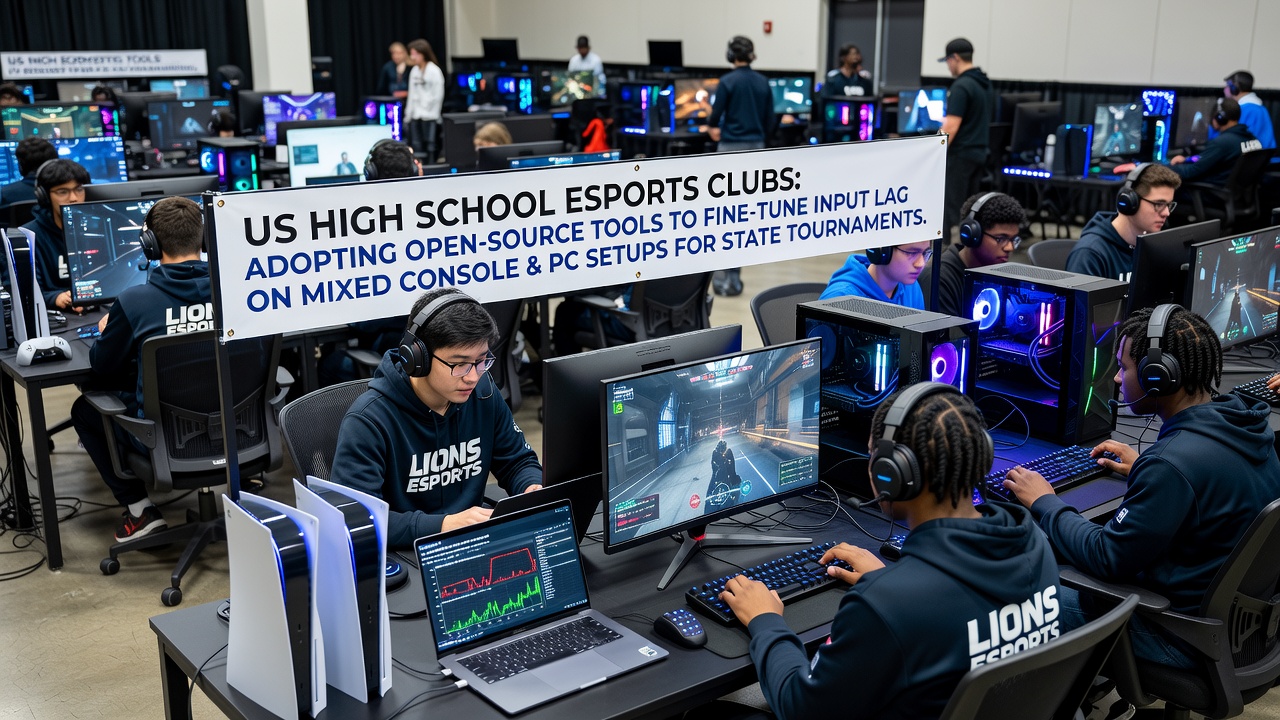
US High School Esports Clubs Embrace Open-Source Solutions to Reduce Input Lag in Mixed Console and PC Setups
High school esports clubs throughout the United States have begun integrating open-source tools to address input lag challenges that arise when consoles and PCs operate together in competitive environments, and these efforts have gained momentum as state-level tournaments expand their formats. Clubs in multiple regions coordinate hardware from manufacturers such as Sony, Microsoft, and various PC builders, which creates synchronization issues during matches that require precise timing across platforms.
Researchers at the University of California have documented how latency variations between USB polling rates on PCs and wireless protocols on consoles affect player performance in fast-paced titles, and clubs apply this information when selecting measurement utilities. Open-source applications such as custom latency testers built on Python libraries and Linux-based timing scripts allow teams to log millisecond-level discrepancies without relying on proprietary software packages that often limit cross-platform compatibility.
Technical Approaches to Mixed Hardware Environments
Students configure these tools to calibrate display settings, adjust controller firmware parameters, and optimize network buffers in local area networks that connect disparate devices during tournament play, while data logs generated by the scripts reveal patterns in signal processing delays that clubs then mitigate through driver modifications and refresh rate alignments. Observers note that such adjustments prove especially useful in games where frame timing directly influences competitive outcomes.
State associations have reported increased participation in events that accommodate both console and PC competitors, and clubs prepare by running standardized test suites developed from community repositories on platforms like GitHub. These suites measure end-to-end input response from controller input through display output, which enables consistent comparisons regardless of the underlying hardware architecture.
Implementation Across Regional Tournaments
Coaches in states including California, Texas, and New York have incorporated these calibration routines into weekly training schedules, and participants track results through shared spreadsheets that aggregate readings from multiple sessions. During the June 2026 state tournaments, several clubs demonstrated measurable reductions in average input lag after applying patches derived from open-source repositories, which allowed teams to maintain performance parity across mixed setups.
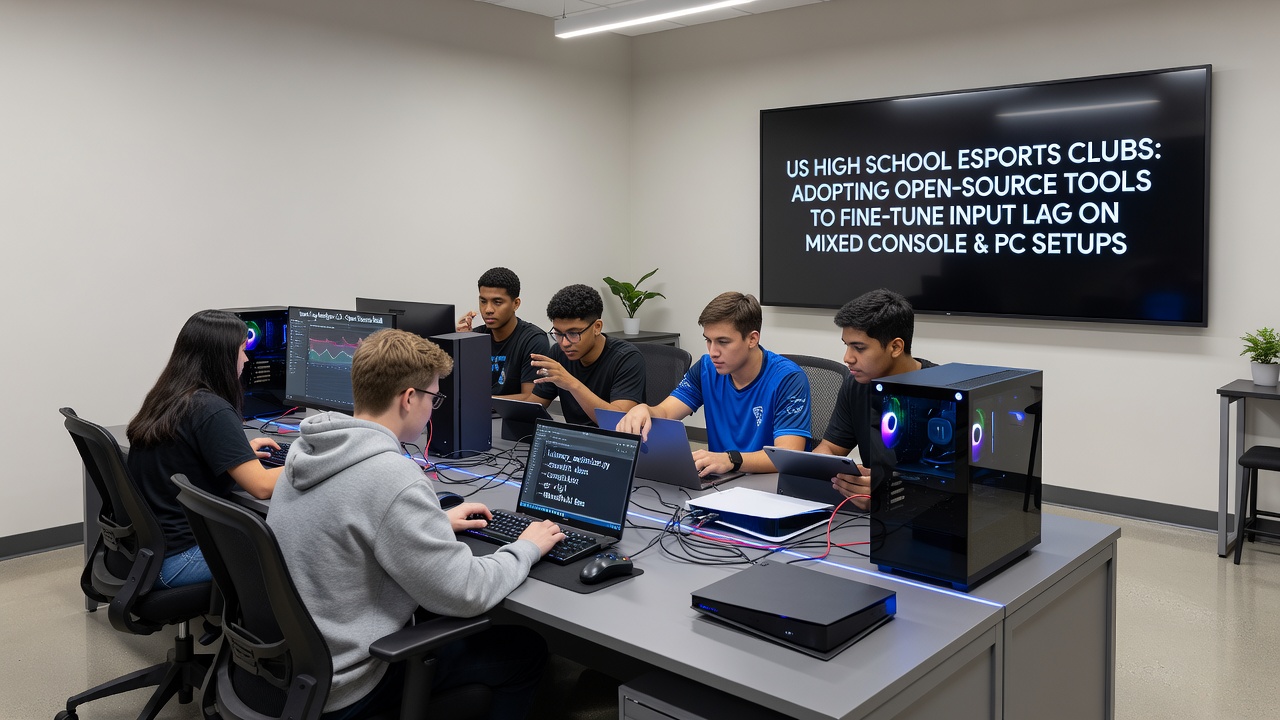
One club in Illinois developed a workflow that combines open-source oscilloscope software with custom macros to identify bottlenecks in HDMI signal chains when consoles interface with PC-based streaming systems, and similar methods have spread through online forums where high school teams exchange configuration files. Figures from industry reports indicate that adoption rates of such tools have risen steadily as tournament organizers enforce stricter equipment standardization rules.
Data Collection and Performance Metrics
Clubs collect quantitative data on polling intervals, frame delivery times, and wireless transmission overhead using freely available utilities that interface with standard operating system APIs, and these datasets help identify hardware combinations that introduce the greatest delays. Teams then prioritize upgrades or firmware tweaks based on the compiled evidence rather than trial-and-error approaches that previously consumed practice time.
Analysts from the Entertainment Software Association have noted the growing role of student-led technical initiatives in preparing for multi-platform competitions, and the availability of modular open-source codebases supports rapid iteration without licensing costs. Schools in rural districts particularly benefit from these resources because they reduce dependence on expensive commercial diagnostic equipment.
Challenges in Standardization and Training
Variations in state tournament regulations regarding allowed peripherals create additional layers of complexity, yet clubs address them by maintaining modular calibration profiles that adapt to specific venue constraints. Training materials developed by student volunteers circulate through regional networks, and these guides emphasize reproducible testing protocols that any club can implement with basic computing resources.
Continued collaboration among clubs has produced refined versions of the core tools, incorporating feedback from actual tournament conditions encountered in June 2026 events, and the iterative process ensures that solutions remain relevant as hardware evolves. Data indicates sustained interest in these methods as more states expand their esports offerings to include hybrid formats.
Conclusion
The adoption of open-source input lag management tools by US high school esports clubs reflects a broader shift toward accessible technical solutions that accommodate diverse hardware in competitive settings, and ongoing refinements promise further improvements in setup consistency across future state tournaments. These developments continue to support equitable participation while maintaining focus on measurable performance factors.