US Retailers Test Subscription Bundles Linking Mobile Gaming Apps with Accessory Upgrades in Midwestern Markets
Uma Carter · Jun 4, 2026
US Retailers Test Subscription Bundles Linking Mobile Gaming Apps with Accessory Upgrades in Midwestern Markets
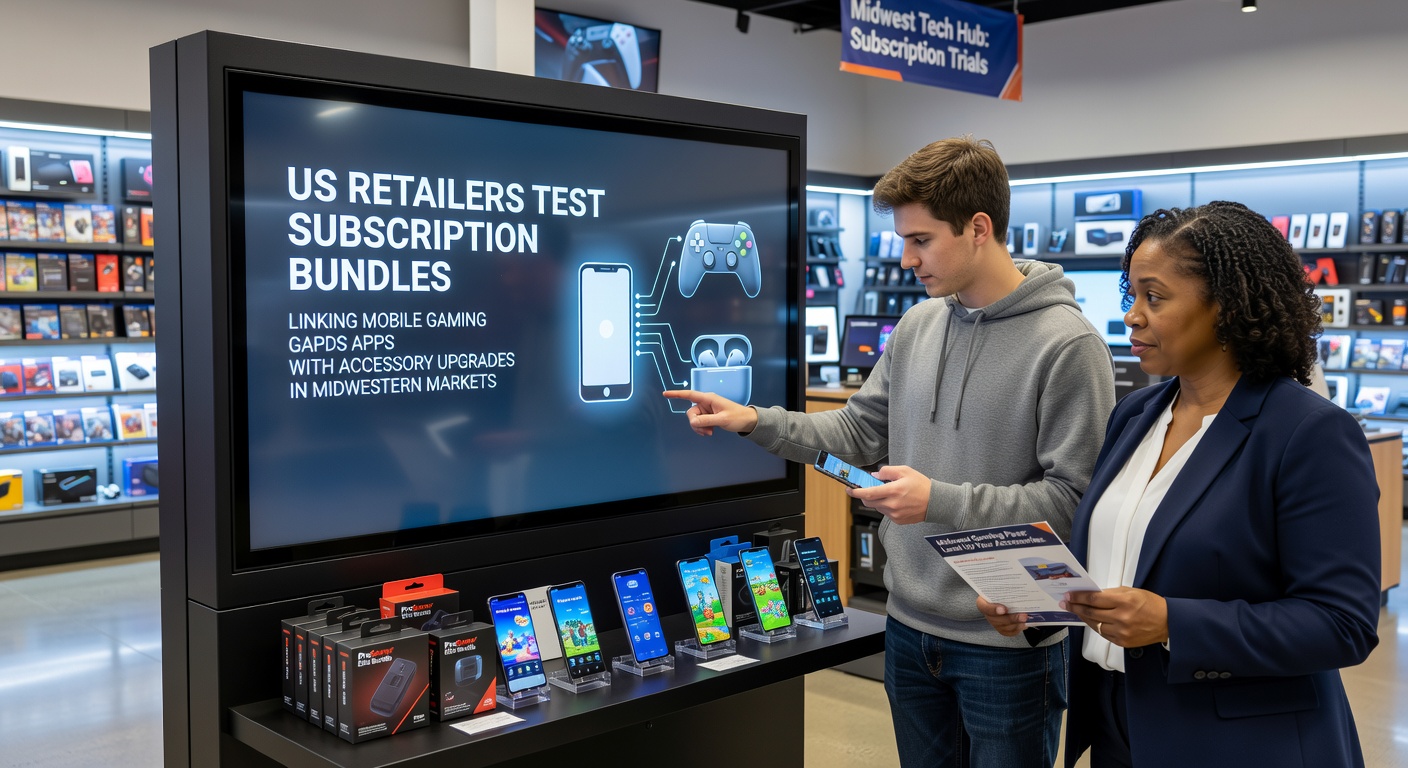
Retail chains across several Midwestern states began testing subscription bundles in early 2026 that combine mobile gaming app access with periodic accessory upgrades, creating new purchase pathways for consumers in cities like Chicago, Indianapolis, and Minneapolis. These programs pair recurring payments for app features with hardware add-ons such as controllers, cases, and charging docks, and initial rollouts occurred at select big-box and specialty electronics stores. Data collected through June 2026 showed enrollment rates varying by location, with urban outlets recording higher uptake than suburban sites according to internal retailer tracking reports.
Bundle Structure and Regional Rollouts
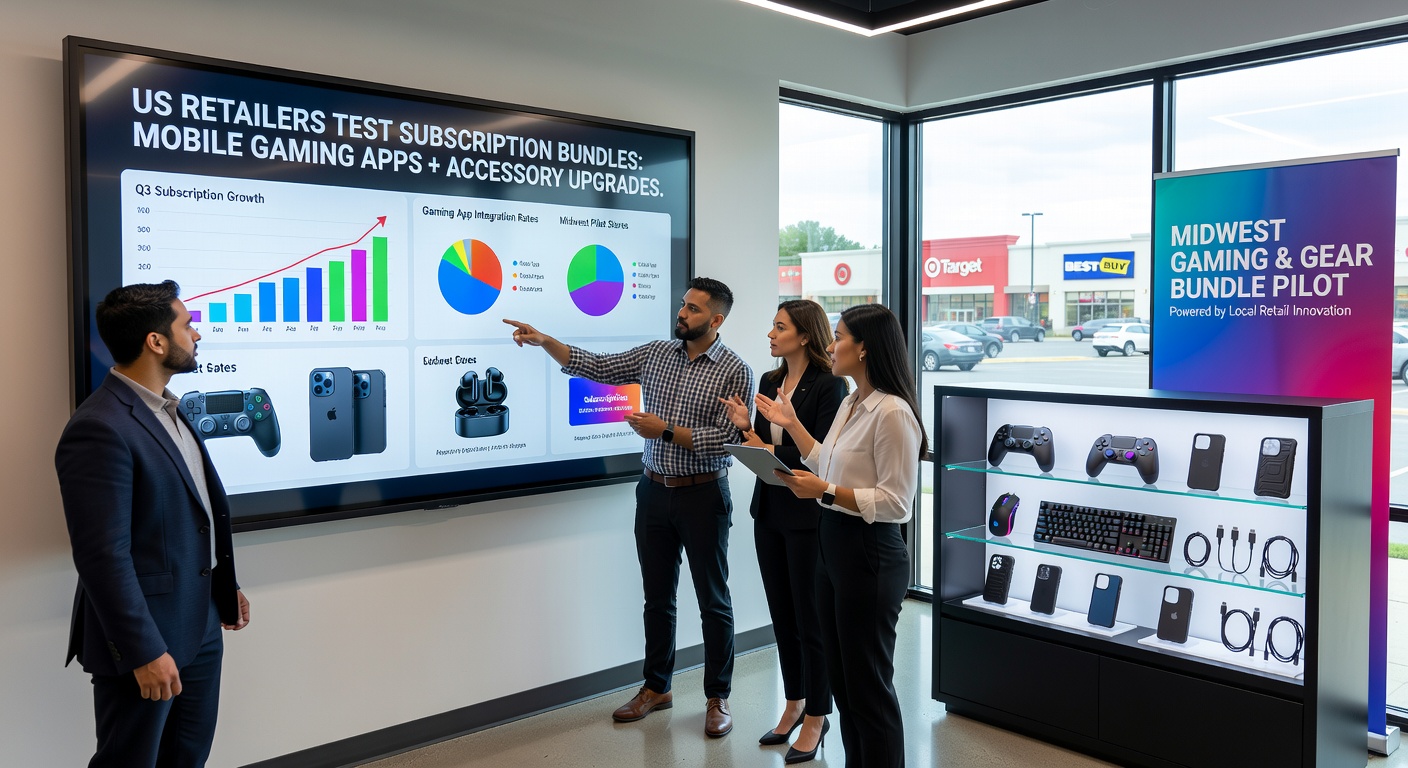
Each bundle typically includes a base subscription tier for select mobile titles plus quarterly accessory credits that users apply toward upgrades, and participating retailers structured these offerings around existing loyalty programs to reduce friction for existing customers. Stores in Illinois and Indiana introduced the first pilot locations in March 2026, while Michigan and Wisconsin outlets followed in April after reviewing early performance metrics from the initial sites. Retailers coordinated with app developers to enable seamless redemption codes, allowing subscribers to unlock premium content directly through in-app purchases tied to their bundle status.
Observers note that the bundles target users who already spend on both digital entertainment and physical peripherals, and the Midwestern focus reflects retailer interest in testing demand outside coastal markets where mobile gaming adoption patterns differ. Figures from the Entertainment Software Association indicate mobile gaming revenue in the United States reached steady growth through 2025, providing context for why chains pursued these hybrid models in secondary regions.
Integration of Apps and Hardware Upgrades
Subscribers receive access codes that activate enhanced features in partnered mobile games, while the accessory component delivers upgrade options such as improved battery packs or ergonomic grips at set intervals. Retail systems track usage data to suggest relevant hardware matches, and customers redeem credits either in-store or through linked online portals. Tests in June 2026 revealed that bundles incorporating popular battle royale titles saw faster accessory redemption rates than those centered on puzzle or simulation games, highlighting content-specific engagement differences.
Retail staff received training on explaining bundle benefits, including how app progress syncs across devices when users apply upgrade components, and some locations added demo stations so shoppers could test controller pairings before committing. Supply chain adjustments ensured accessory inventory matched bundle demand, with warehouses prioritizing shipments to Midwestern distribution centers during the pilot phase.
Market Data and Consumer Patterns Through Mid-2026
Enrollment analytics gathered by June 2026 indicated that bundles priced between $12.99 and $19.99 monthly attracted the broadest age range, particularly among 18-to-34-year-olds who already maintained multiple app subscriptions. Retailers documented repeat accessory purchases among 42 percent of bundle holders in the first three months, a rate higher than standalone hardware sales at the same outlets. A University of Illinois study on regional technology adoption patterns found Midwestern households allocated increasing portions of entertainment budgets to mobile platforms between 2023 and 2025, aligning with the timing of these bundle experiments.
Chains adjusted marketing materials mid-pilot to emphasize cross-compatibility between app features and physical upgrades, and email campaigns targeting loyalty members produced higher conversion than general social media promotions. Stores also tracked in-app engagement spikes following accessory deliveries, confirming that hardware additions correlated with longer session times for certain titles.
Operational Adjustments and Retailer Observations
Inventory management systems required updates to handle the subscription-driven accessory flow, and retailers implemented return protocols for unused upgrade credits to maintain customer satisfaction. Staff reported that explaining the full bundle cycle took longer than standard transactions, prompting some locations to create quick-reference guides at registers. By June 2026, several chains expanded the number of participating app titles after analyzing redemption data that showed demand for sports and racing genres in addition to the initial action lineup.
Payment processing partners adapted platforms to manage recurring charges alongside one-time accessory redemptions, reducing errors that appeared in early test weeks. Retailers also monitored regional economic indicators, noting that bundle retention held steady even as broader consumer spending fluctuated during spring 2026.
Conclusion
Tests of these subscription bundles continued through the summer of 2026 as retailers evaluated long-term retention and accessory attachment rates across additional Midwestern locations. The programs represent one approach to merging digital app ecosystems with physical product cycles, and ongoing data collection will determine whether similar models expand beyond the initial test markets. Retailers continue refining bundle tiers and accessory selections based on the performance metrics gathered to date.